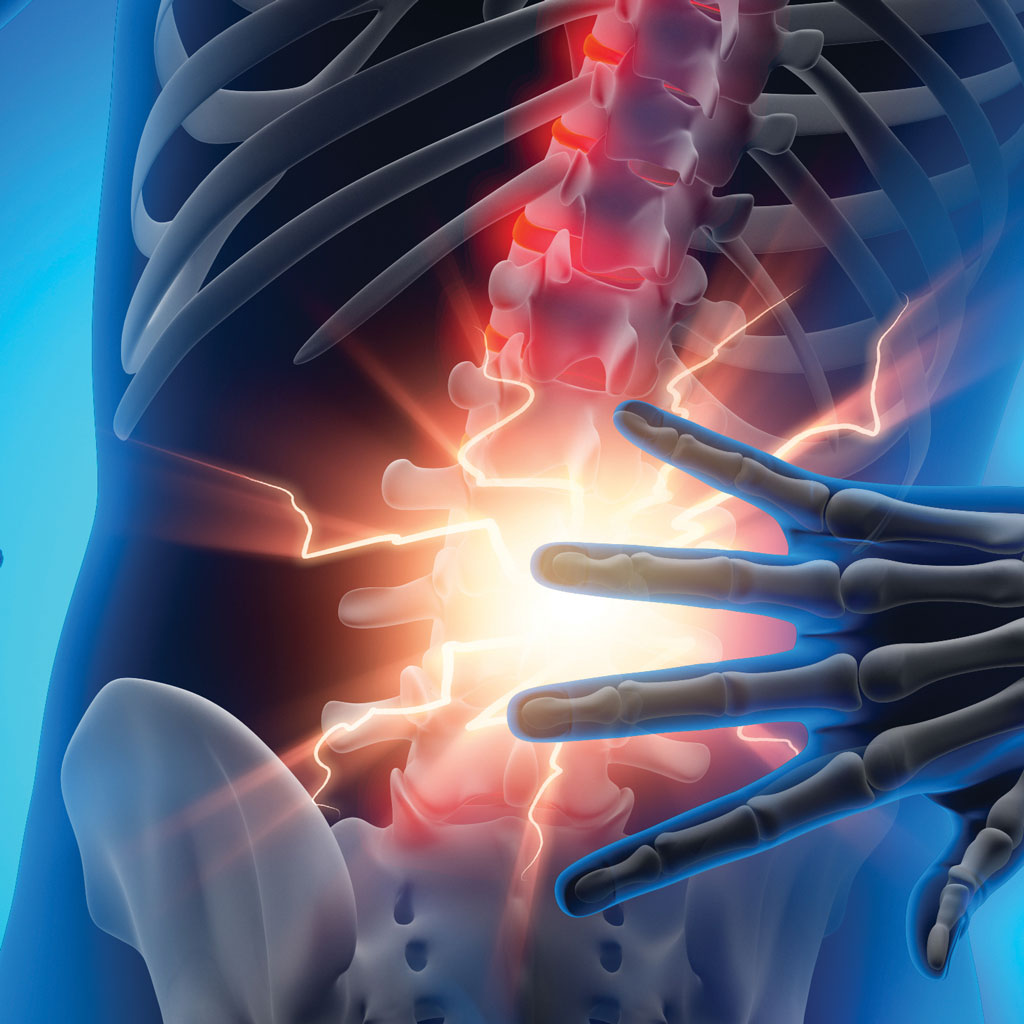
Vertebral Compression Fractures: Comparing The Treatment Options
Quick Answer: What Are the Treatment Options for Vertebral Compression Fractures?
Vertebral compression fractures may be treated with rest, medication, bracing, or minimally invasive procedures such as vertebroplasty and kyphoplasty. Treatment depends on the severity of the fracture, symptoms, and overall spinal stability. For patients with persistent pain, minimally invasive vertebral augmentation may help stabilize the fracture and improve mobility without traditional open spine surgery.
Fractures of the spine and sacrum are common in older adults and can cause significant pain, reduced mobility, loss of independence and diminished quality of life. These fractures are caused when weakened bones can no longer withstand normal daily stresses. They may be the result of a minor fall or even routine activities such as bending or lifting. The most common cause of weakened bones in older adults is osteoporosis, but they can also be the result of trauma and certain health conditions, such as cancer.1
Spinal fractures are painful, debilitating, and unfortunately common in older adults. Upwards of 50% of individuals over the age of 50 develop vertebral compression fractures.1 How they are treated depends on the fracture’s location, severity, stability and a patient’s overall health.
When a fracture is diagnosed, most doctors will recommend a “conservative” approach to start. This includes activity modification, rest, medication and bracing.2 These measures may work for some, but others will experience ongoing pain, or the fracture will progress toward a vertebral collapse.
When conservative treatment fails, a patient has two primary options: Orthopedic spine surgery or a minimally invasive vertebral augmentation procedure.
Traditional spine surgery can involve decompression, instrumentation (implanted hardware) or fusion. These approaches are appropriate for more complex fractures that cause spinal instability, significant deformity or compression of the spinal cord or nerve roots.3
However, for most vertebral compression fractures, open surgery is not necessary. Minimally invasive options are not only effective and clinically proven, but they can also help older adults avoid the many risks associated with surgery and the use of general anesthesia.
At University Radiology Vascular & Interventional Center, we offer two minimally invasive techniques for treating vertebral compression fractures:
Vertebroplasty: Imaging is used to guide a needle into the fracture vertebra. A special fast-drying bone cement is injected into the fracture to strengthen and stabilize the bone.
Kyphoplasty: A similar technique to vertebroplasty, kyphoplasty adds an additional step to restore height to a collapsed vertebra. A balloon-tipped catheter is inserted into the collapsed vertebra and inflated to restore the bone to its original height. The balloon is then deflated and removed, and the bone cement is injected into the cavity left behind.4
Both of these procedures are outpatient based, and patients return home shortly after their procedure and a brief observational period.4 Many patients report immediate pain relief; others realize the full benefits of the treatment within the following few weeks. General anesthesia is not required with these procedures. Instead, a mild “twilight” sedation is used to relax the patient during the procedure.
Frequently Asked Questions About Vertebral Compression Fractures
Can a vertebral compression fracture heal without surgery?
Yes. Many vertebral compression fractures improve with conservative treatments such as rest, activity modification, pain medication, and bracing. However, patients who continue experiencing significant pain may be candidates for minimally invasive treatment.
What is the difference between kyphoplasty and vertebroplasty?
Both procedures use medical-grade bone cement to stabilize a fractured vertebra. Kyphoplasty also uses a balloon to create space within the fractured bone and may help restore some lost vertebral height before cement is injected.
How long does recovery take after vertebroplasty or kyphoplasty?
Both procedures are typically performed on an outpatient basis. Many patients return home the same day, and some experience pain relief shortly after treatment. Recovery and results vary depending on the patient and fracture.
Explore Minimally Invasive Spine Fracture Treatment at URVI
Persistent back pain from a vertebral compression fracture can interfere with everyday activities and quality of life. At University Radiology Vascular & Interventional Center, our interventional radiologists offer minimally invasive treatment options, including vertebroplasty and kyphoplasty- treatments recommended by the American Academy of Family Physicians- for appropriate patients.
Call 908-874-9236 to learn more or schedule a consultation.
Sources & References
- American College of Surgeons (2022). Best Practices Guidelines Spine Injury. Gregory D. Schroeder MD, Alexander R. Vaccaro MD PhD MBA, William C. Welch MD FACS FAANS FICS FAANOS, et al. https://www.facs.org/media/3iknlu30/acs-tqip-best-practices-spine-injury-guidelines.pdf
- American College of Radiology (2023). ACR Appropriateness Criteria® Management of Vertebral Compression Fractures: 2022 Update. Journal of the American College of Radiology. https://pubmed.ncbi.nlm.nih.gov/37236738/
- RadiologyInfo.org (2026). Vertebroplasty and Kyphoplasty. Radiological Society of North America and American College of Radiology.
https://www.radiologyinfo.org/en/info/vertebro - McCarthy, J., & Davis, A. (2016). Diagnosis and Management of Vertebral Compression Fractures. American Family Physician, 94(1), 44–50.
https://www.aafp.org/pubs/afp/issues/2016/0701/p44.html