Ovarian Vein Embolization In New Jersey

Ovarian vein embolization, or OVE, is a minimally invasive procedure used to treat pelvic congestion syndrome. This safe, highly effective treatment is an excellent option for patients who have not seen results from medication and wish to avoid surgical treatments.

Jump to:
Ovarian Vein Embolization Procedure | What to Expect from OVE | Common Questions About OVE

Ovarian Vein Embolization (OVE)

What is Pelvic Congestion Syndrome (PCS)?

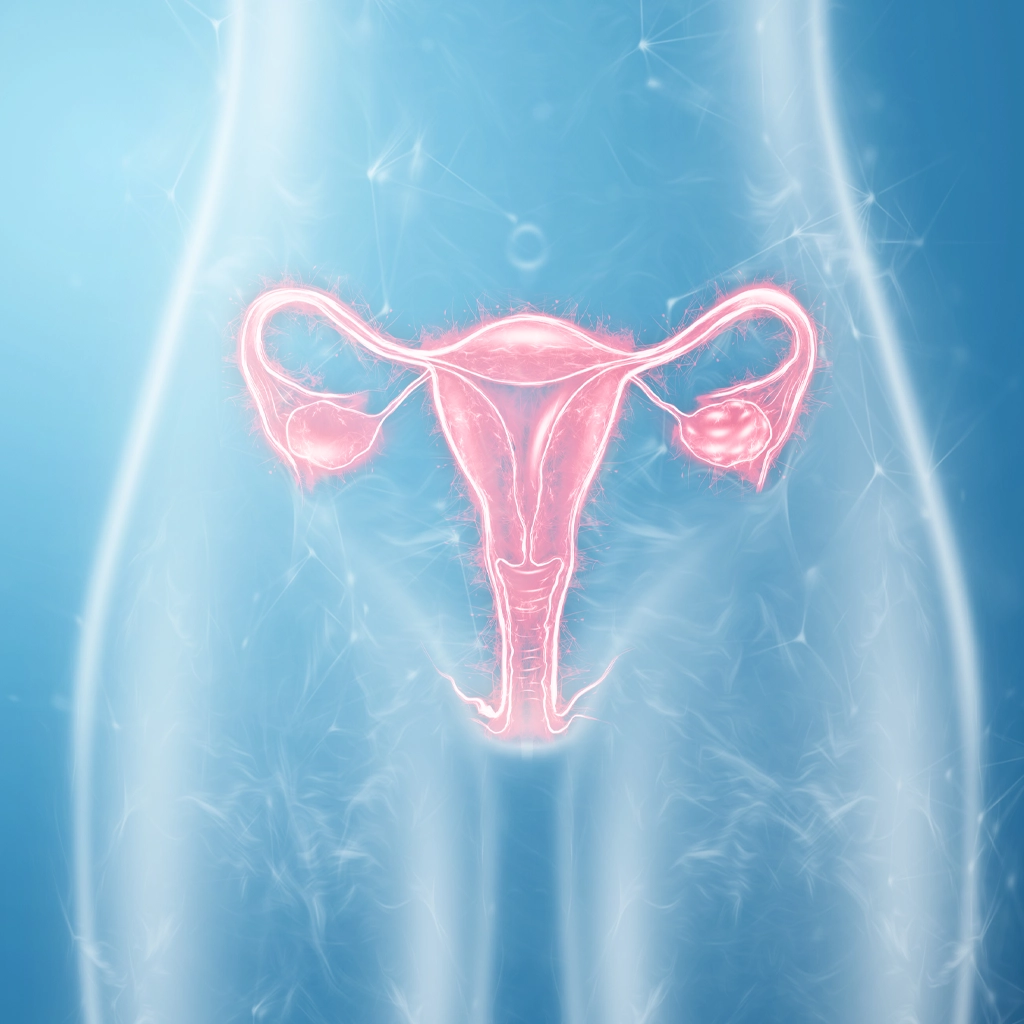
Pelvic congestion syndrome occurs when the veins in the pelvis, typically ovarian veins, do not have proper blood flow. The dilation of these veins can cause chronic pelvic pain, urinary issues and pain with intercourse. Ovarian vein embolization is a popular treatment option for PCS, and can be effective in alleviating these symptoms.

How OVE Works

During the ovarian vein embolization procedure, an interventional radiologist inserts a catheter into the circulatory system under X-ray guidance. They thread the catheter through the blood vessels until it reaches the affected veins in the pelvic region. Once there, the physician uses the catheter to place materials such as metal coils or embolic chemicals (called sclerosants) into the veins.

These embolization agents either block the varicose veins in the pelvis from receiving blood, or cause a chemical reaction which causes the veins to shrink and close off. Instead of traveling through these vessels, blood is redirected to healthy veins in the pelvis, leading to substantial pain relief for up to 75% of patients.1

Who Should Get OVE?

Like any medical procedure, embolization treatment has both risks and benefits. In many cases, medication such as hormone therapy will be given as a first-line intervention. Candidates for OVE include patients who don’t see improvement from medication, can’t take medication due to other contraindications, as well as those with large pelvic varices or dilated ovarian veins (as seen on pelvic ultrasound with pelvic varices > 4mm or on CT with ovarian veins > 6 mm).2

Benefits of OVE

Ovarian vein embolization is a well-known treatment option for PCS with excellent long-term results. When compared with surgical treatments like ovarian vein ligation and hysterectomy, OVE offers several benefits.

  • Up to 100% relief from PCS symptoms
  • Low chance of recurrence and reintervention
  • Low complication risk
  • Faster recovery
  • Same-day, outpatient procedure
  • No general anesthesia

Before Your Procedure

When you are referred for OVE, you’ll first have a consultation with a specialized interventional radiologist, who can answer any questions you have and will go over your treatment plan. Prior to your pelvic vein embolization treatment, you will be given specific pre-procedure instructions. These will include guidance on medications that may need to be paused as well as when to stop eating or drinking.

When you arrive, you may be asked to give a urine sample for a pregnancy test. You’ll change into a medical gown and will be given mild sedation via an IV to make you feel relaxed. Local anesthetic is also used to minimize discomfort during the procedure.

contact

What To Expect After Ovarian Vein Embolization

The OVE procedure itself takes around one hour. After the procedure, you’ll recover for a bit while being monitored by clinic staff, before being discharged to go home. Ovarian vein embolization recovery only takes a day or two.

You may experience some ovarian vein embolization side effects after treatment. These are usually temporary and resolve on their own. For example, you may have some pelvic discomfort following your procedures; this usually settles down within a few days. Some women have also reported changes in their menstrual cycles after OVE.3

Pelvic Congestion Syndrome FAQs

Yes, ovarian vein embolization is a safe procedure with low overall complication rates.

Embolization procedures are usually performed by interventional radiologists who receive specialized training in image-guided, minimally invasive treatments for vascular issues.

Side effects from pelvic vein embolization include a temporary increase in discomfort and changes to the menstrual cycle. In rare cases where metal coils are used for embolization, the coils may migrate to other parts of the body.

Though there is limited data on the relationship between PCS and fertility, recent studies suggest that women with PCS-related fertility issues may have an improved chance of pregnancy after OVE.4

Ovarian vein embolization is a standard treatment option for pelvic congestion syndrome and is covered by many insurance plans. For more information, reach out to your insurance company or speak with a staff member at our NJ clinic.

About 5% of patients who receive OVE treatment for PCS see a return of symptoms requiring reintervention.

Call our NJ radiology clinic at 908-874-9236 or reach out to us online to schedule an appointment.