
May-Thurner Syndrome

What Is May-Thurner Syndrome?

May-Thurner Syndrome (MTS) is a condition affecting a specific vein in the pelvis called the iliac vein. People with May-Thurner syndrome have an iliac vein that is compressed by the iliac artery. Because the iliac vein is between the iliac artery and the spine, this pressure makes it difficult for the vein to stay fully open.

Without enough room in the vein, blood has a harder time getting from the lower body back to the heart. This can make blood pool in the pelvis or legs and cause a dangerous condition called a deep vein thrombosis (DVT).

May-Thurner syndrome is also called iliac vein compression syndrome or Cockett syndrome. It most commonly affects women between the ages of 30 and 50.1
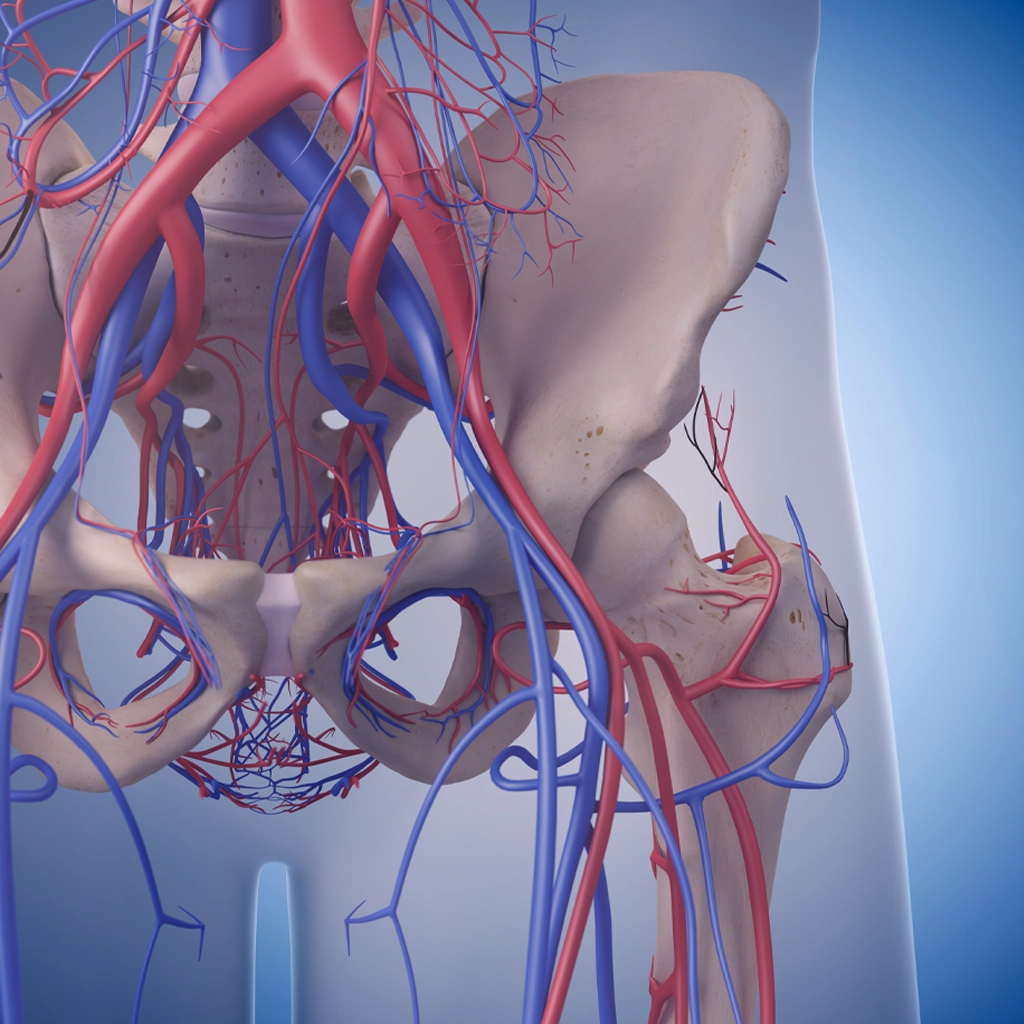

May-Thurner Syndrome
varicose veins

Signs & Symptoms of May-Thurner Syndrome

Iliac vein compression is likely underdiagnosed because it can occur without any symptoms at all. Up to 25% of people without symptoms of MTS have iliac vein compression that can be seen under imaging tests.2

Signs of May-Thurner syndrome usually appear on one leg, but can happen in both.3 They include:

  • Pain
  • Swelling
  • Skin that is discolored and warm to the touch
  • Venous ulcers – open wounds caused by circulation issues
  • Varicose veins

How Doctors Diagnose May-Thurner Syndrome

May-Thurner syndrome typically affects the left iliac vein, which is compressed by the right iliac artery as they cross over the spine. While symptoms like skin discoloration and ulcers can be seen during a physical exam, doctors rely on imaging technology to confirm the diagnosis.

Contrast venography is the best way to diagnose May-Thurner syndrome. Using a special medical dye, doctors can highlight veins using X-rays, MRI, and CT scans. Ultrasound with Doppler can also be used to visualize the iliac vein. However, because this vein is so deep within the body, it can be difficult to get a clear image using ultrasound.

May-Thurner Syndrome and Pregnancy

During pregnancy and postpartum, pressure on the pelvis is significantly increased. In patients with iliac vein compression, this pressure raises the risk of blood clots. If you’ve been diagnosed with MTS and become pregnant, your doctor may recommend close surveillance or blood thinners to protect against DVTs.

Treatments for May-Thurner Syndrome

  • Compression stockings assist with circulation in the legs in patients with iliac vein compression, helping to prevent blood clots.
  • Blood-thinning medications are often prescribed to patients with DVTs caused by May-Thurner syndrome.
  • Angioplasty uses a catheter and a tiny balloon to open the iliac vein so there is room for better circulation. Angioplasty is usually not successful on its own, and is typically accompanied by a stent.
  • Stenting involves placing a metal mesh tube into the vein to provide structural support and prevent compression. These stents are usually made of a body-safe alloy called Nitinol.
  • Catheter-directed thrombolysis uses image guidance to place a tiny tube next to a blood clot and deliver dissolving treatments directly to it.
  • Surgical treatments for iliac compression syndrome include bypassing or moving the iliac vein or artery to relieve pressure.

Possible Side Effects of Delayed Treatment

Left unaddressed, iliac vein compression syndrome can cause blood clots to form in your lower body (DVTs). These clots are especially dangerous because they can break into pieces and travel throughout the body. If the clots become stuck near the heart, lungs, or brain, they can be deadly.