Chronic Internal Hemorrhoids

What Are Chronic Internal Hemorrhoids?

One in four people will experience internal or external hemorrhoids during their lifetime.1 In some cases, acute hemorrhoids occur once and go away either on their own or with treatment. However, many people have chronic hemorrhoids, meaning hemorrhoids that flare up periodically.

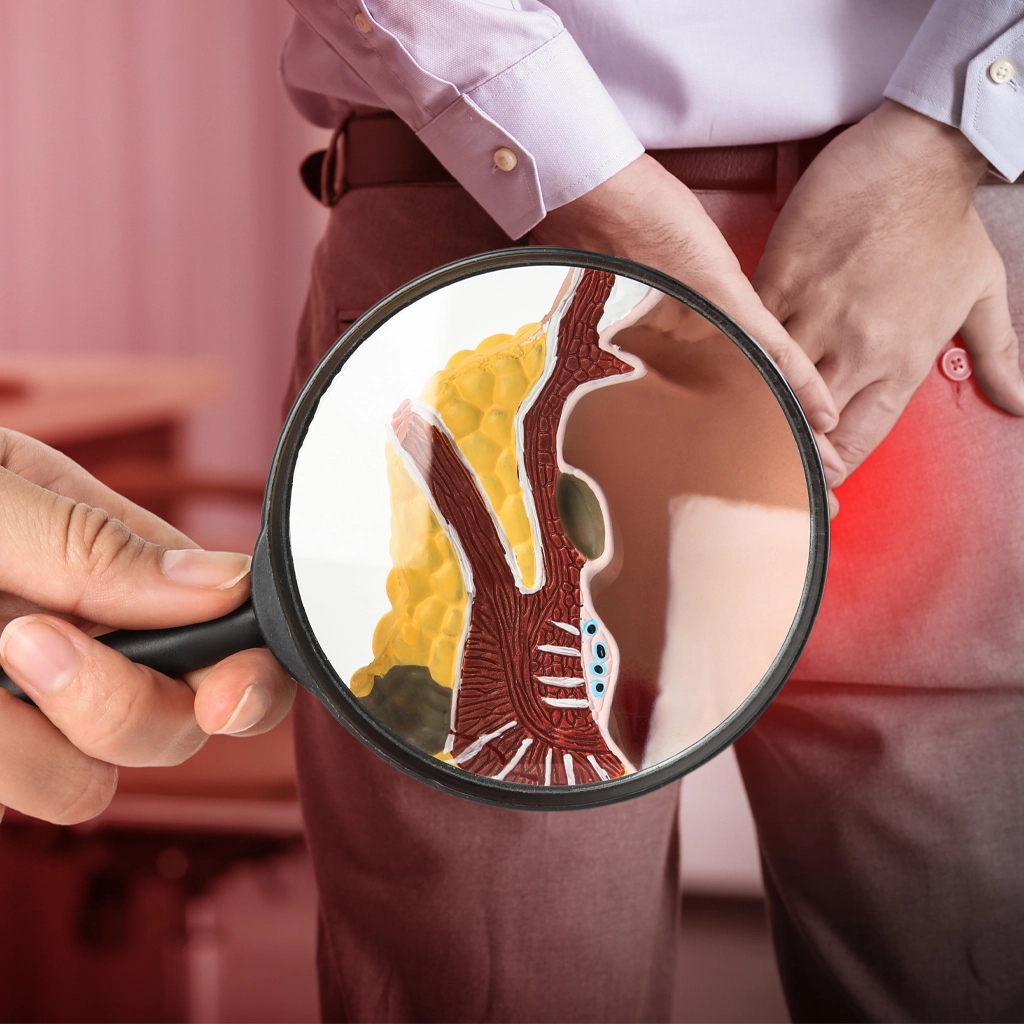
But let’s take a step back. What exactly is a hemorrhoid? A hemorrhoid is a collection of blood vessels found in the rectum or anus. When functioning properly, these bundles of arteries and veins are called vascular cushions. They support bowel movements and continence while protecting the anal sphincter from harm.

Chronic Internal Hemorrhoids

A hemorrhoid occurs when a vascular cushion’s blood vessels become swollen or inflamed. This may happen because of increased pressure in the colon or pelvic floor, constipation, or trauma to the area. Other conditions can raise your risk of developing hemorrhoids, including:

  • Pregnancy
  • Obesity
  • Hypertension
  • Chronic constipation
  • Gastrointestinal disorders
  • Diabetes

Can Hemorrhoids Be Prevented?

Some risk factors for hemorrhoids are unavoidable, like certain GI conditions and a family history of the condition. However, there are several steps you can take to reduce your risk of both internal and external hemorrhoids:

  • Eat a high-fiber diet
  • Avoid sitting on the toilet for long periods
  • Try not to strain your muscles during bowel movements
  • Drink plenty of water
  • Exercise regularly

Symptoms of Internal Hemorrhoids

External hemorrhoids are found near the anal sphincter; internal hemorrhoids occur further inside the body. Because of where they occur, internal and external hemorrhoids have different symptoms.

Internal Hemorrhoid Symptoms External Hemorrhoid Symptoms
Internal Hemorrhoid Symptoms
  • Painless bleeding during bowel movements
  • Prolapse (hemorrhoid pushes outside the anus and can be seen or felt)
External Hemorrhoid Symptoms
  • Sharp anal pain
  • Bright red anal bleeding
  • Itching or swelling around the anus

Keep in mind, there are many other diseases that can cause anal bleeding. Several types of cancer can have this symptom, as can anal fissures (cuts or tears in the anal tissue), irritable bowel disease, and herpes.2 Before seeking treatment for chronic hemorrhoids, make sure your doctor has ruled out other possible causes for your symptoms.

How Hemorrhoids Are Diagnosed

While performing routine colon cancer screenings, doctors find hemorrhoids in 39% of their patients.3 However, hemorrhoid symptoms also bring many patients to their doctors’ offices.

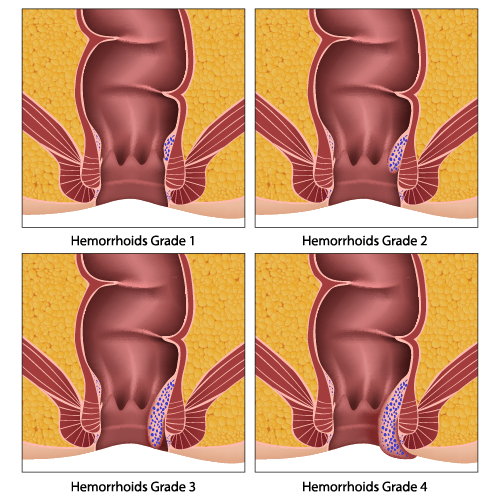
Before diagnosing a hemorrhoid, your doctor will start with a physical exam and ask you questions about your symptoms. They may perform a digital exam to feel for swollen vessels in your rectum, or they may order a scope procedure to look at the area internally. After confirming the presence of hemorrhoids, your doctor will determine the hemorrhoids’ severity through grading.

Hemorrhoid Grading Scale

Grade 1: Hemorrhoids are present but do not prolapse (pop out) externally.
Grade 2: Hemorrhoids may prolapse during bowel movements, but go back in on their own.
Grade 3: Hemorrhoids prolapse during bowel movements and must be manually pushed back into the body.
Grade 4: Hemorrhoids are consistently prolapsed externally and cannot be manually reduced.

Hemorrhoid Complications

At Grades 3 and 4, repeated prolapses put you at risk of hemorrhoid rupture. A thrombosed hemorrhoid with a blood clot may suffer from too much pressure and burst open. A prolapsed hemorrhoid may be injured by hard stool or other sources of pressure in the pelvis (like childbirth). Ruptured hemorrhoids are essentially open wounds with a high risk of infection, which can lead to sepsis if untreated.

Treatment Options for Chronic Internal Hemorrhoids

Hemorrhoid treatments focus on shrinking or removing hemorrhoids so that they no longer bleed or prolapse. Grade 1 hemorrhoids usually respond to conservative measures. Grade 2 and 3 internal hemorrhoids may respond to conservative treatment or minimally invasive procedures. Grade 4 hemorrhoids often require surgical intervention.

  • Conservative management includes a combination of lifestyle changes and over-the-counter remedies. Increasing your fiber and water intake can help reduce constipation and straining. Exercise supports a healthy GI tract and regular bowel movements. Topical hemorrhoid creams reduce pain and swelling from chronic hemorrhoids.
  • Hemorrhoid artery embolization (HAE) is a minimally invasive treatment performed by an interventional radiologist. It uses a specialized technique to obstruct the blood vessels within hemorrhoids and make them shrink.
  • Rubber band ligation involves placing a small elastic band around the base of each hemorrhoid to reduce blood flow to inflamed vessels, leading to shrinkage.
  • Sclerotherapy delivers chemical treatments to hemorrhoid blood vessels, causing them to close off and reducing blood flow to hemorrhoids.
  • A hemorrhoidectomy is the surgical removal of hemorrhoids. Because it is more invasive, surgery is typically reserved for severe, recurrent cases that have not responded to other treatments.

Hemorrhoid FAQs

In many cases hemorrhoids do resolve on their own. Lifestyle changes can help hemorrhoids go away more quickly.

Yes, hemorrhoids and piles refer to the same medical condition.

You should never poke, cut, or squeeze a hemorrhoid to try to “pop” it. A ruptured hemorrhoid is painful and can lead to serious infections. Always seek help from a medical provider who can maintain a sterile environment while treating your hemorrhoids.

When possible, you should push hemorrhoids back inside the anus. This prevents the hemorrhoids from being squeezed by the anal sphincter, which could cause a rupture.

Hemorrhoid treatments are generally effective but new hemorrhoids can appear over time, especially in patients with a history of chronic hemorrhoids.