Varicose Veins

What Are Varicose Veins?

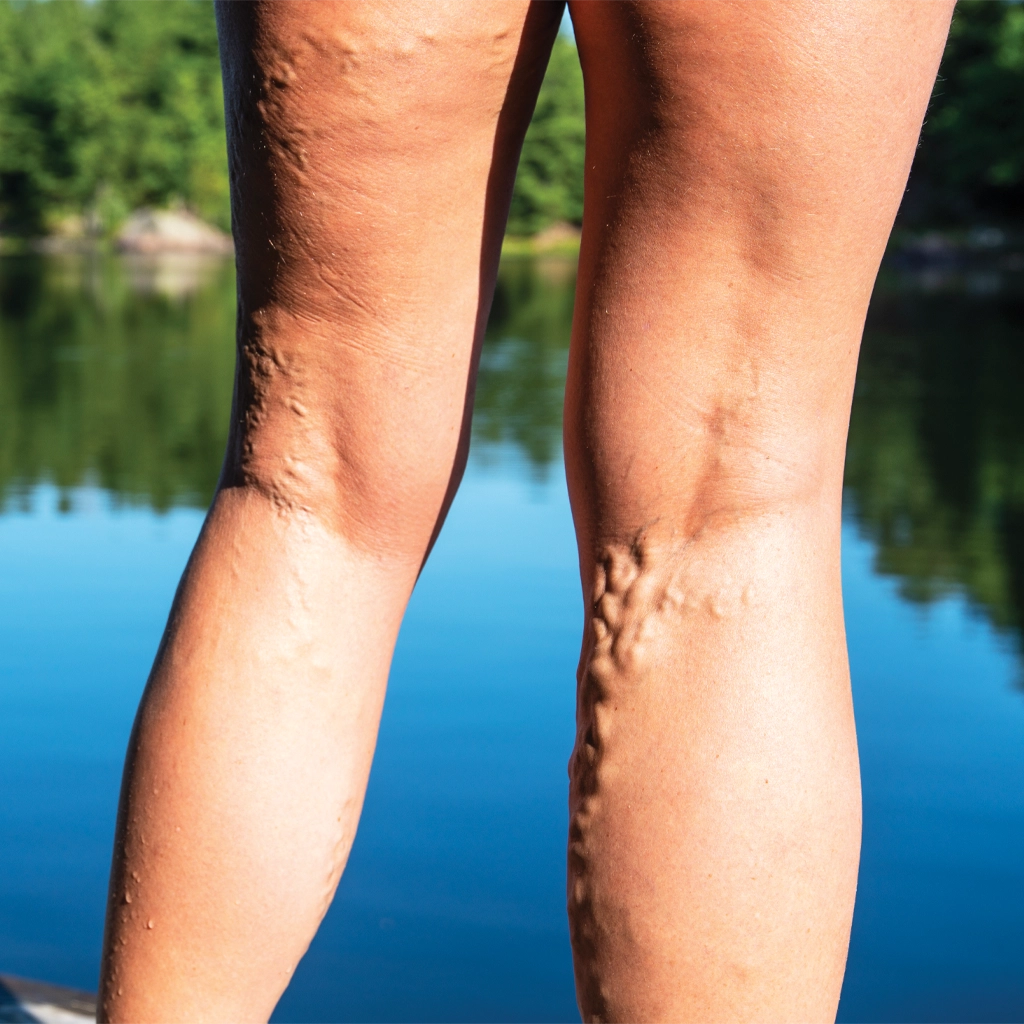
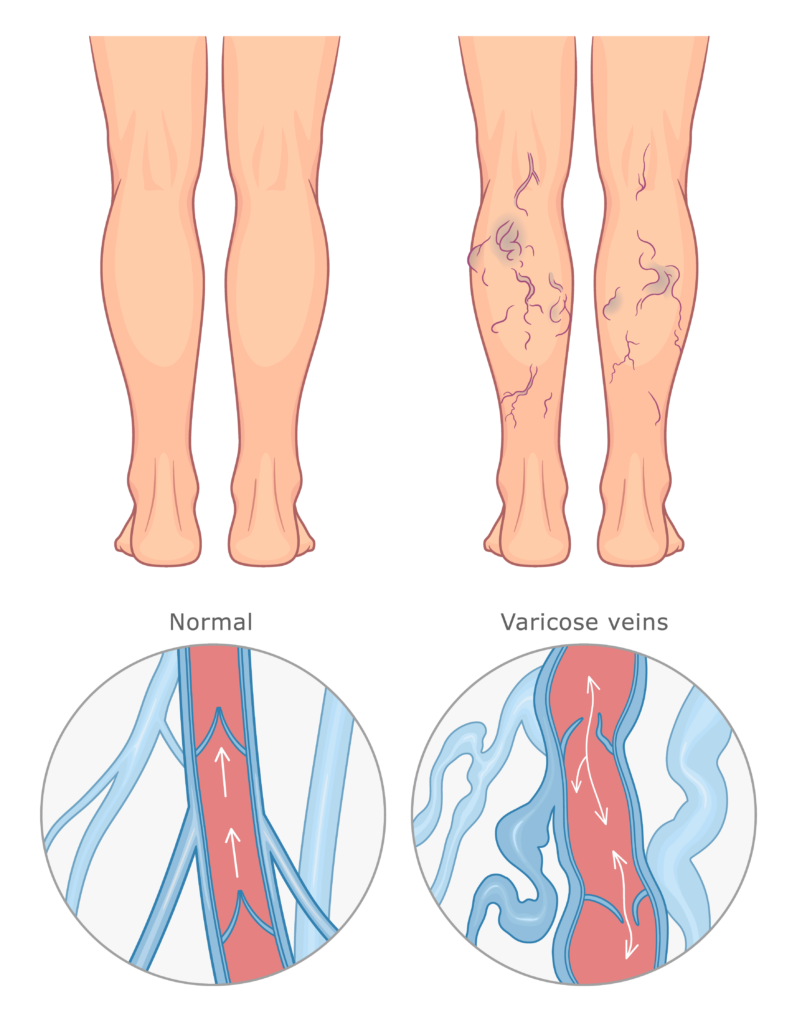
Varicose veins are swollen, twisted veins caused by an increase in blood pressure. They are commonly found on the legs, but can also appear in the groin area as well as the abdomen. Varicose veins are sometimes thought to be a “cosmetic” issue, but research shows that without treatment, varicose veins can lead to serious complications.

Spider Veins vs. Varicose Veins: Spider veins, also known as telangiectasias, are small varicose veins found just under the skin. They are more common than larger varicose veins, occurring in 43% of men and 55% of women.1

varicose veins

Risk Factors for Varicose Veins

Varicose veins arise from venous hypertension, an increase in blood pressure specifically in the body’s veins. They can be a symptom of chronic venous disease or pelvic congestion syndrome. There is likely a genetic component to varicose vein development, but they can happen to anyone.

The probability of having varicose veins increases with age, and women are more likely to develop dilated veins than men. Lifestyle factors also play a role in venous hypertension. You’re more likely to get varicose veins if you:

  • Spend a lot of time standing at work or at home
  • Have a family history of varicose veins
  • Are overweight
  • Are or have been pregnant
  • Are a current or former smoker

How Varicose Veins Are Diagnosed

To diagnose spider or varicose veins, your doctor will start by asking about your symptoms and performing a physical exam. Common symptoms of varicose veins include:

  • Pain that’s described as throbbing, aching, or burning that gets worse with prolonged standing
  • Visible raised, twisted, or discolored veins
  • Swelling in the ankles
  • Venous leg ulcers
  • Veins that are itchy or sore when touched
  • Skin discoloration around the ankles

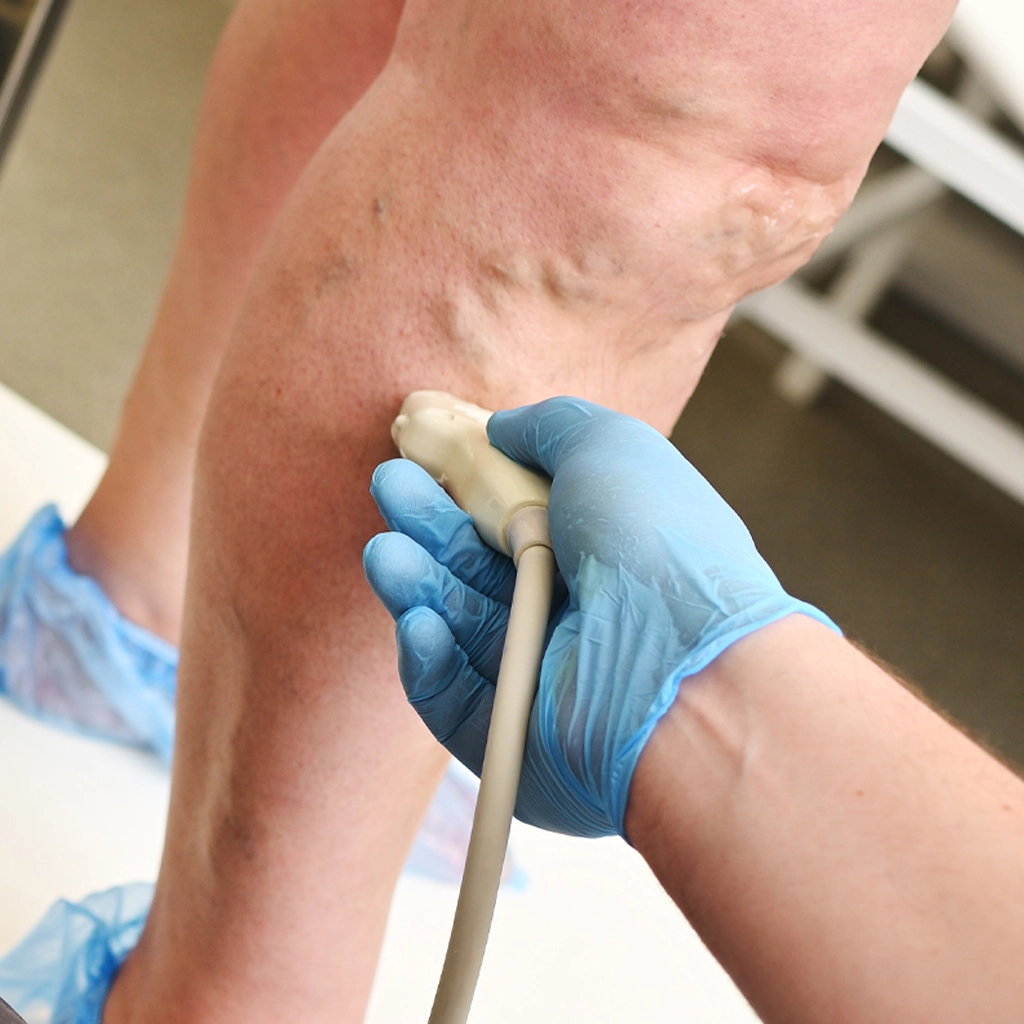
To confirm the diagnosis and determine the severity of your varicose veins, your doctor may order imaging tests. Duplex ultrasound is the most common way to check for twisted, enlarged veins, as well as those with venous reflux (leaking valves, causing blood flow in the wrong direction).

Side Effects of Varicose Veins

Varicose veins tend to get worse over time.2 Untreated varicose veins aren’t just uncomfortable, they can lead to pain, eczema, skin discoloration, and skin ulcers. Venous leg ulcers (VLUs) are wounds caused by leaking valves in varicose veins, that cause pooling of blood and venous hypertension that damages the surrounding skin and tissues. These wounds need proper care to heal and prevent serious infections.

In some cases, improper blood flow in varicose veins can lead to the development of superficial blood clots. Superficial venous thromboses (SVTs) can cause severe localized pain and swelling.

Treatment Options for Varicose Veins

Compression socks can aid in blood flow and protect bandaged ulcers as they heal. However, many people with varicose veins require more advanced intervention. A vascular interventional radiologist can help you determine the right treatment:

  • Phlebectomy: An outpatient procedure where varicose veins are removed through small incisions in the skin.
  • Endovenous Laser Therapy (EVLT): A minimally invasive procedures, done through a tiny incision, that uses a laser inside the abnormal vein to restore normal blood flow in the legs.
  • Sclerotherapy: Treatment for smaller spider and reticular veins, using a medicine like Asclera
  • Microfoam Ablation: This minimally invasive procedure uses Varithena foam to seal vessels shut, preventing blood flow through impaired veins.
  • Surgery: No longer commonly performed today due to the advent of minimally invasive options listed above. Surgical high ligation and stripping involves disconnecting and removing severe varicose veins – often the great saphenous vein (GSV) or small saphenous vein (SSV).

Some varicose vein treatments can be combined for improved long-term results.