Interventional Radiology Treatments for Cancer

Cancer care involves bringing together a team of clinicians across specialties to provide targeted treatments and supportive therapies. While most people know how oncologists and surgeons treat cancer, interventional radiologists also play an important role.

Interventional radiologists are doctors who are specially trained to perform minimally invasive procedures under the guidance of imaging technologies like CT scans, X-rays, and ultrasounds. They can be involved at multiple points in a cancer treatment plan.

Jump to:
Chemotherapy Port Placement | Interventional Oncology Treatments

Cancer/Interventional Oncology

Chemotherapy Port Placement

Patients are often given a port before receiving systemic chemotherapy. This medical device is implanted just below the collarbone and allows care providers to give medications without the need to place a new IV at every appointment. Ports are also convenient if a patient needs fluids or a blood transfusion, and can be used to draw blood for lab work.

During cancer port placement, an interventional radiologist makes a small incision into the jugular or subclavial vein. They then use an ultrasound with fluoroscopy to insert a wire into the vein and thread it to the appropriate location. The physician slides a catheter over the wire, and inserts the port (a small disc) into a space under the skin. During chemotherapy treatments, your care team can insert a needle through the skin into the port to deliver medicine.

When treatment is complete, port removal is simple. The doctor will make a small incision in the skin above the port. The port and catheter tube are then pulled out through the incision, which is then stitched closed.

Supportive Care Procedures

Cancer patients can experience a wide range of side effects from treatment as well as symptoms of advancing disease. A buildup of fluid around the lungs (pleural effusion) or in the abdomen (ascites) is common. This fluid buildup can lead to symptoms such as abdominal distension and shortness of breath. Drains can help remove fluid from the body, providing significant relief and supporting ongoing oncology care.

Interventional Oncology Treatments

Chemoembolization

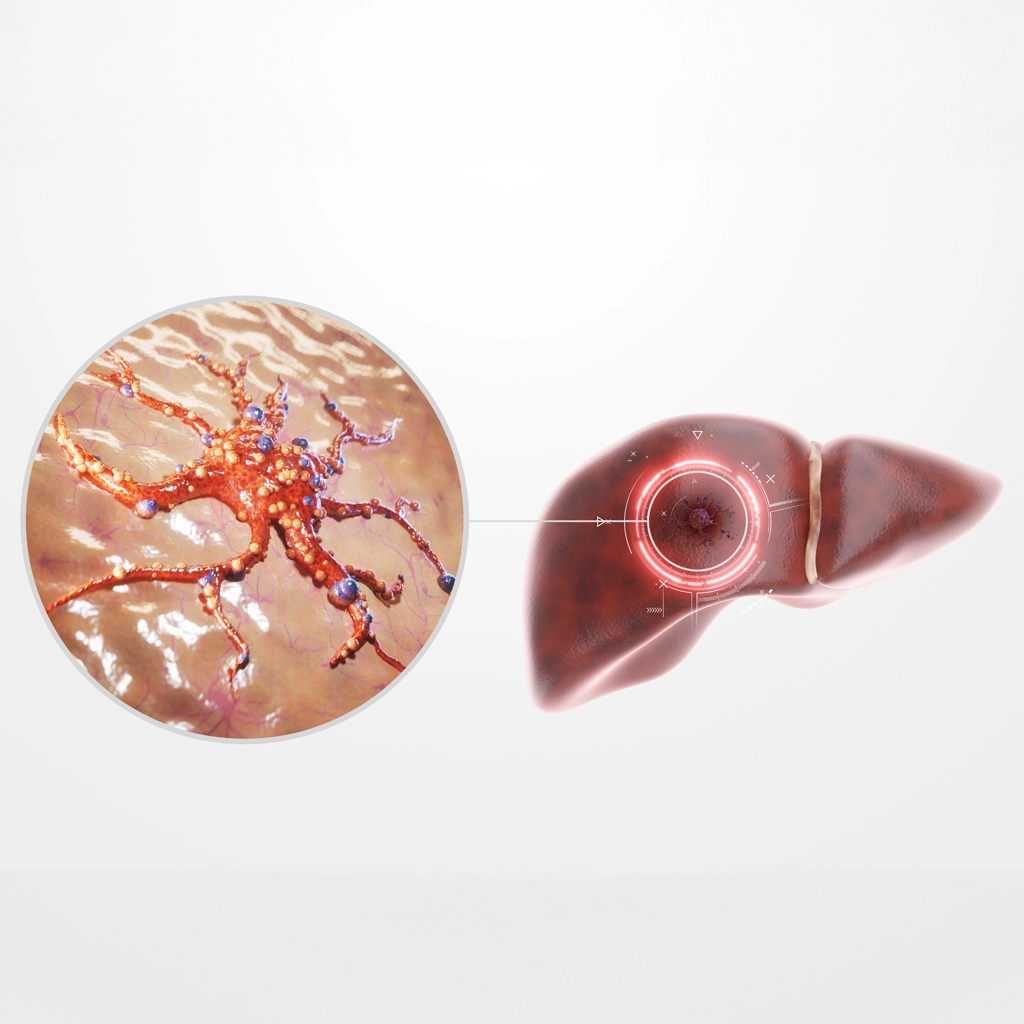
  • When it’s Used: Transarterial chemoembolization (TACE) is used as part of many standard treatment plans for Stage B (intermediate) liver cancer.
  • How it Works: During a chemoembolization procedure, an interventional radiologist uses image guidance and a catheter to deliver chemotherapeutic medicines directly to cancerous lesions. In some cases, the catheter is also used to deploy tiny embolic particles that block the tumor from receiving oxygenated blood while slowly releasing chemotherapy drugs.
  • Benefits of Chemoembolization: Liver cancer chemoembolization has a 53% response rate, helping to shrink cancerous nodules.2 It can successfully lengthen survival time for patients who don’t qualify for surgery.
  • Potential Side Effects: Temporary pain, fever, and nausea, which usually subsides in a few days.

Radioembolization

  • When it’s Used: Transarterial radioembolization (TARE) is a minimally invasive procedure used to treat liver cancer. It is recommended for use in patients with very early to intermediate stage liver cancer. It is often used as a bridge to liver transplantation surgery.
  • How it Works: Hepatic radioembolization uses image guidance to move a catheter through the circulatory system to the tumor cells. Once there, the catheter is used to place small radioactive particles into the blood vessels that feed the tumor. These particles help kill cancer cells, shrinking the tumor.
  • Benefits of Radioembolization: TARE is successful at impacting tumor growth in 88.3% of cases, helping to halt or slow disease progression.3 It is also an alternative for patients who cannot receive chemoembolization.
  • Potential Side Effects: Some mild fatigue, nausea, and stomach pain are common after the procedure but symptoms should self-resolve. Serious complications are rare but should be reported to your interventional radiologist and oncologist immediately.

Bland Embolization

  • When it’s Used: Transarterial bland embolization, or TAE, is a minimally invasive treatment recommended for patients with primary or secondary liver cancer who are not eligible for surgery or ablation procedures. TAE is sometimes used as an alternative for patients who cannot tolerate systemic chemotherapy.
  • How it Works: The bland embolization procedure uses image guidance to thread a catheter into the hepatic artery, the main blood vessel connected to most liver cancers. By placing microscopic beads in the artery, TAE creates a blockage which prevents the tumor from getting blood flow. This causes tumor cells to die over time.
  • Benefits of Bland Embolization: Bland embolization of liver tumors can make them shrink (downstaging) or prevent further tumor growth. It is helpful in maintaining liver function and extending survival time. TAE is typically less expensive than chemoembolization and better tolerated by patients.4
  • Potential Side Effects: Bland embolization patients may experience some abdominal pain, nausea, or fever after the procedure, which should go away in a few days. Serious complications are rare, and may include issues with liver function, abscesses, and bile duct injury.