Pelvic Congestion Syndrome (PCS)

What Is Pelvic Congestion Syndrome (PCS)?

Pelvic congestion syndrome, or PCS, is a chronic condition that occurs when veins in the pelvis do not function properly. When the ovarian and pelvic veins are dilated, the result is slower-than-normal blood flow and sometimes reflux, during which blood pools or moves back up the vein. While PCS can affect one in five premenopausal women, the condition is often undiagnosed and goes without treatment.1

PCS can also be referred to as pelvic venous disorder (PeVD), pelvic venous congestion syndrome (PVCS), and pelvic venous insufficiency (PVI). The affected veins are also known as pelvic varicose veins.

Pelvic Congestion Syndrome (PCS)

Pelvic Congestion Syndrome Symptoms

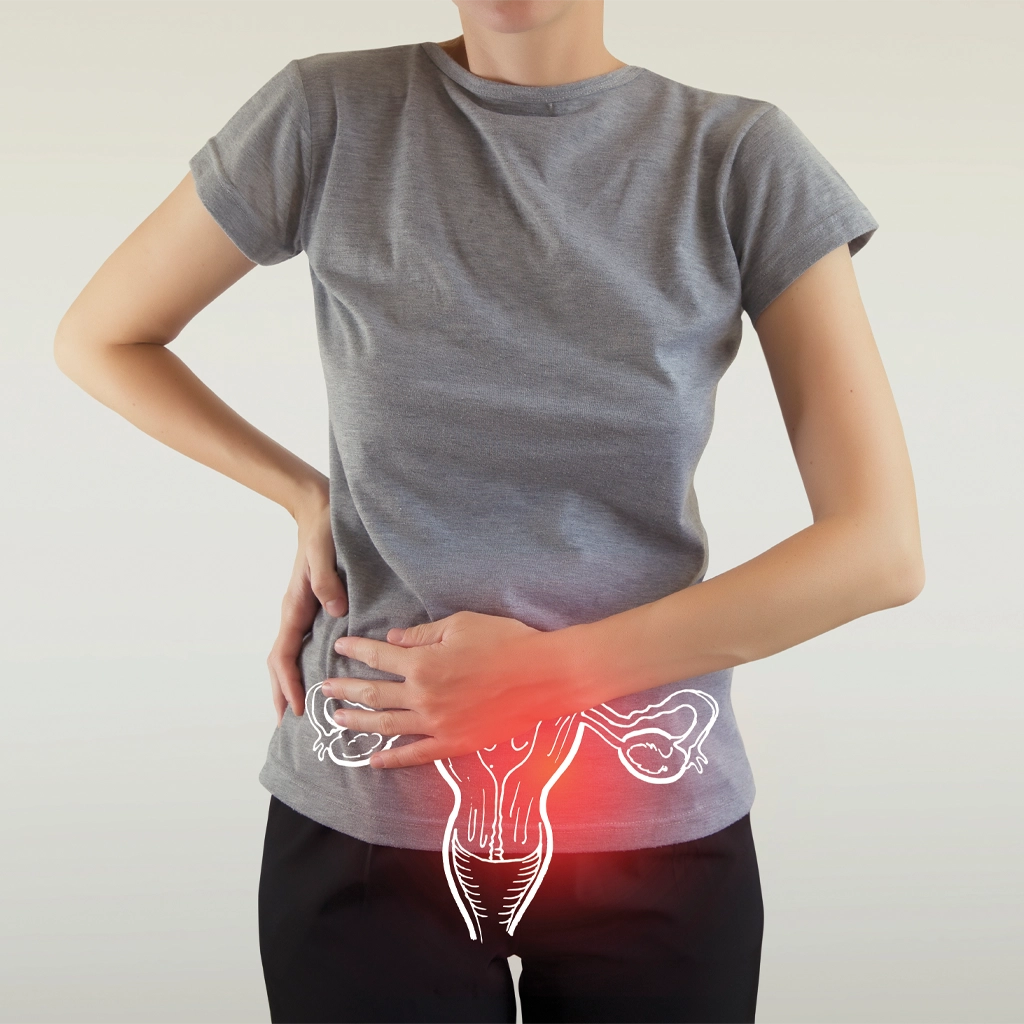
The most common symptom of pelvic congestion is chronic pelvic pain, often described as a heaviness and dull ache in the pelvic area.2 This pain may increase during and after sexual intercourse, a symptom called dyspareunia, and is often reported to be higher during menstruation. Other symptoms may include:

  • Vulvar varicosities (swollen veins often appearing on the labia majora or minora)
  • Acute pain in the pelvic area, the abdomen, the lower back and the legs
  • Bladder irritation and urinary symptoms such as urgency and frequency

Risk Factors for PCS

The underlying cause of pelvic congestion syndrome is unknown, but considered to be multifactorial in nature. The majority of women with PCS present with symptoms during their 20s and 30s. Women who have had more than one child are at higher risk of developing PCS; estrogen levels and a family history of varicose veins can are also risk factors.3

How PCS Is Diagnosed

Unfortunately, pelvic pain in women can be caused by a number of different disorders, which often leads to missed diagnoses or misdiagnosis. It’s also extremely common; up to 40% of women will experience chronic pelvic pain during their lifetime.4 Therefore, diagnosing pelvic congestion syndrome requires careful consideration and testing to rule out other conditions.

Most women report pelvic pain to their primary care physician or gynecologist. After taking a detailed medical history, your physician may order diagnostic testing.

  • A pelvic exam may reveal superficial varicose veins in the vulvar area or upper thighs, while a bimanual exam can help identify specific areas of pain.
  • Transvaginal ultrasound with Doppler and MR pelvic venography allow physicians to visualize pelvic anatomy and assess blood vessels for distention or compression.
  • Catheter venography, sometimes called a venogram, uses a catheter to deliver contrast dye to pelvic blood vessels, which are viewed under X-ray to identify blockages, anatomical issues, dilation, and more.
  • CT angiography uses a catheter to place dye in the veins before the patient undergoes a CT scan, providing a detailed view of the veins in the pelvis.

Venography is considered the gold standard for PCS diagnosis. Laparoscopy is sometimes used to identify other causes of pelvic pain, such as endometriosis, but is often unsuccessful at catching PCS.

While there is no link between pelvic congestion syndrome and ovarian cancer, the two illnesses can have similar symptoms. To rule out cancer, your physician may order a biopsy, which removes a tiny piece of ovarian tissue for pathological testing.

Treatment Options for PCS

Depending on the severity of your symptoms, your doctor may recommend one of several pelvic congestion syndrome treatments. These include:

  • Medication: Medical management of PCS focuses on relieving symptoms by either lowering the amount of estrogen produced by the ovaries (hormonal therapy) or stimulating the constriction of pelvic veins.
  • Ovarian Vein Ligation: During this surgical procedure, varicose veins connected to the ovaries (most often the left ovary) are tied off or removed entirely to redirect blood flow to healthy veins. It is typically recommended for patients who have not seen improvement after medication and/or embolization.
  • Ovarian Vein Embolization: Also known as embolotherapy, ovarian vein embolization uses a catheter to deliver embolic particles to the affected blood vessels, sealing them off and redirecting blood flow to healthy veins. A variety of particle types are available for use in this procedure, including metal coils, vascular plugs, and body-safe foam. Ovarian vein embolization has shown high long-term success rates with little risk of complication.

Previously, hysterectomies with or without oophorectomies had been a recommended treatment for pelvic congestion syndrome. However, removal of the uterus and/or ovaries was shown to have few benefits and higher complication rates compared with other therapies.