Uterine Fibroids

What Are Uterine Fibroids?

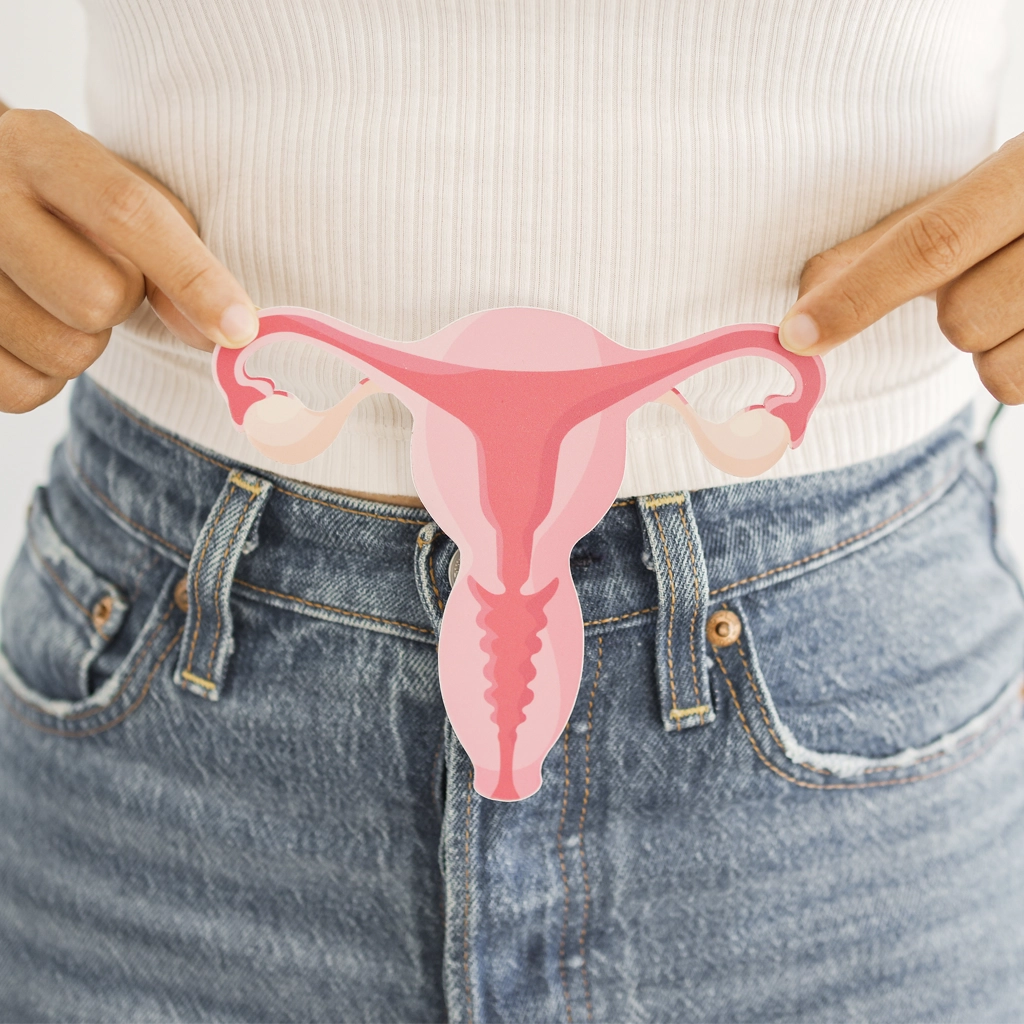
Uterine fibroids, also known as uterine leiomyomas, are abnormal growths of muscle and tissue that form on the interior or exterior of the uterus. These typically benign tumors are very common; in fact, uterine fibroids are estimated to be present in up to 70% of women by the time they reach menopause.1

uterine fibroids

Who Is at Risk?

Uterine fibroids are the most common noncancerous solid tumors found in women. Risk of fibroid development typically increases with age from puberty to menopause. After menopause, most fibroids stop growing and may even shrink, and new fibroid growth is far less likely.

You may be at higher risk for uterine fibroids if you:

  • Have certain medical conditions, including endometriosis, diabetes, obesity.2,3
  • Experienced your first menstrual cycle at a young age.4
  • Have not been pregnant and/or given birth.
  • Have a family history of uterine fibroids.
  • Are an African-American or Black woman.

Causes and Symptoms of Uterine Fibroids

The cause of uterine fibroids is unknown, though research suggests their growth is impacted by reproductive hormone levels in the body.

Common symptoms of uterine fibroids include:

  • Abnormal menstrual bleeding, such as heavier-than-normal bleeding and bleeding between menstrual cycles.5
  • Pelvic pain, cramping, and pain during intercourse.
  • Bladder pressure and/or urinary incontinence.
  • Infertility.
  • Iron deficiency/anemia (often combined with abnormal uterine bleeding).6

Luckily, most uterine fibroids are asymptomatic, and only about 25% of uterine fibroids are symptomatic enough to require treatment.

Uterine Fibroids and Cancer

In almost all cases, fibroid tumors are benign growths that do not develop into cancer. Cancer resulting from a fibroid growth is known as a leiomyosarcoma and occurs in less than 1% of all fibroid cases.7

However, some uterine fibroid symptoms are similar to the symptoms of uterine-related cancers like endometrial cancer. Benign fibroid symptoms include heavy bleeding, pressure, and pelvic pain, while uterine cancer would have symptoms of increasing pain due to the rapid growth of fibroids, severe anemia from extensive blood loss, and post-menopausal bleeding. If you are experiencing these symptoms, you should see a physician for diagnostic testing to determine the cause.

Uterine Fibroids and Fertility

The relationship between uterine fibroids and fertility depends largely on the size and location of the fibroids. Fibroids that bulge into or distort the center of the uterus (the uterine cavity) are more likely to interfere with conception or pregnancy.

Encouragingly, research has shown that uterine fibroid embolization (UFE) may improve fertility outcomes in some women who were previously unable to conceive due to fibroids, with successful pregnancies and live births reported after treatment.⁸ If preserving fertility is important to you, discussing all treatment options with both your OB-GYN and an interventional radiologist can help determine the best approach for your goals.

How Uterine Fibroids Are Diagnosed

If your physician suspects you may have uterine fibroids, they’ll start with a complete medical history and a pelvic exam. They may take a look at the interior of your uterus using a hysteroscopy scope (a small lighted tube with a camera) or a transvaginal ultrasound. Other tests focusing on your abdominal area may include:

  • Magnetic Resonance Imaging (MRI)
  • Computed Tomography Scan (CT)
  • X-rays with contrast material
  • Laparoscopy

Because a high number of uterine fibroids are asymptomatic, patients receiving these tests for other reasons can be diagnosed with uterine fibroids as an incidental finding. In this case, the fibroids may not require immediate treatment and can be monitored over time for re-evaluation.

Treatment Options for Uterine Fibroids

The right uterine fibroid treatment for you depends on the size, number, and locations of your fibroids, as well as their impact on your quality of life.

  • Medications: Hormone-affecting medications such as contraceptive pills and hormonal IUDs can help reduce uterine bleeding. Some medications can also help reduce leiomyoma size. These may be used as a first-line treatment or a bridge to interventional procedures.
  • Uterine Fibroid Embolization: The UFE procedure uses minimally invasive techniques to prevent fibroids from getting oxygen, causing them to shrink over time. UFE is a safe alternative to surgical uterine fibroid treatments with a faster recovery time and lower risk of major complications.
  • Myomectomy: This surgical option uses hysteroscopy, laparoscopy, or robotic assistance to remove fibroids while preserving the uterus. While the surgery can also be completed abdominally, it is more invasive.
  • Hysterectomy: The most well-known option for uterine fibroid treatment, a hysterectomy involves removing the uterus completely, and may also include removal of the fallopian tubes. While highly effective, hysterectomies are also the most invasive surgical intervention for fibroids with longer recovery times.

Risks of Treatment Delay

Waiting to treat symptomatic fibroids can have a range of negative consequences, including increased bleeding, iron deficiency, and worsening pain. Fibroids may interfere with IVF success or raise the risk of pregnancy complications.

References:

  1. Management of Symptomatic Uterine Leiomyomas: ACOG Practice Bulletin, Number 228. Obstetrics & Gynecology 137(6):p e100-e115, June 2021. | DOI: 10.1097/AOG.0000000000004401
  2. Faerstein E, Szklo M, Rosenshein N. Risk factors for uterine leiomyoma: a practice-based case-control study. I. African-American heritage, reproductive history, body size, and smoking. Am J Epidemiol. 2001;153(1):1-10. doi:10.1093/aje/153.1.1
  3. Stewart EA, Cookson CL, Gandolfo RA, Schulze-Rath R. Epidemiology of uterine fibroids: a systematic review. BJOG. 2017;124(10):1501-1512. doi:10.1111/1471-0528.14640
  4. Wang H, Li C, Chen L, Zhang M, Ren T, Zhang S. Causal relationship between female reproductive factors, sex hormones and uterine leiomyoma: a Mendelian randomization study. Reprod Biomed Online. 2024;48(2):103584. doi:10.1016/j.rbmo.2023.103584
  5. Mension E, Carmona F, Vannuccini S, Chapron C. Clinical signs and diagnosis of fibroids from adolescence to menopause. Fertil Steril. 2024;122(1):12-19. doi:10.1016/j.fertnstert.2024.05.003
  6. Vannuccini S, Petraglia F, Carmona F, Calaf J, Chapron C. The modern management of uterine fibroids-related abnormal uterine bleeding. Fertil Steril. 2024;122(1):20-30. doi:10.1016/j.fertnstert.2024.04.041
  7. Uterine Morcellation for Presumed Leiomyomas: ACOG Committee Opinion, Number 822. Obstet Gynecol. 2021;137(3):e63-e74. doi:10.1097/AOG.0000000000004291
  8. Pisco JM, Duarte M, Bilhim T, Branco J, Cirurgião F, Forjaz M, Fernandes L, Pereira J, Costa N, Pisco JBM, Oliveira AG. Spontaneous Pregnancy with a Live Birth after Conventional and Partial Uterine Fibroid Embolization. Radiology. 2017 Oct;285(1):302-310. doi: 10.1148/radiol.2017161495. Epub 2017 Jun 13. PMID: 28608747.