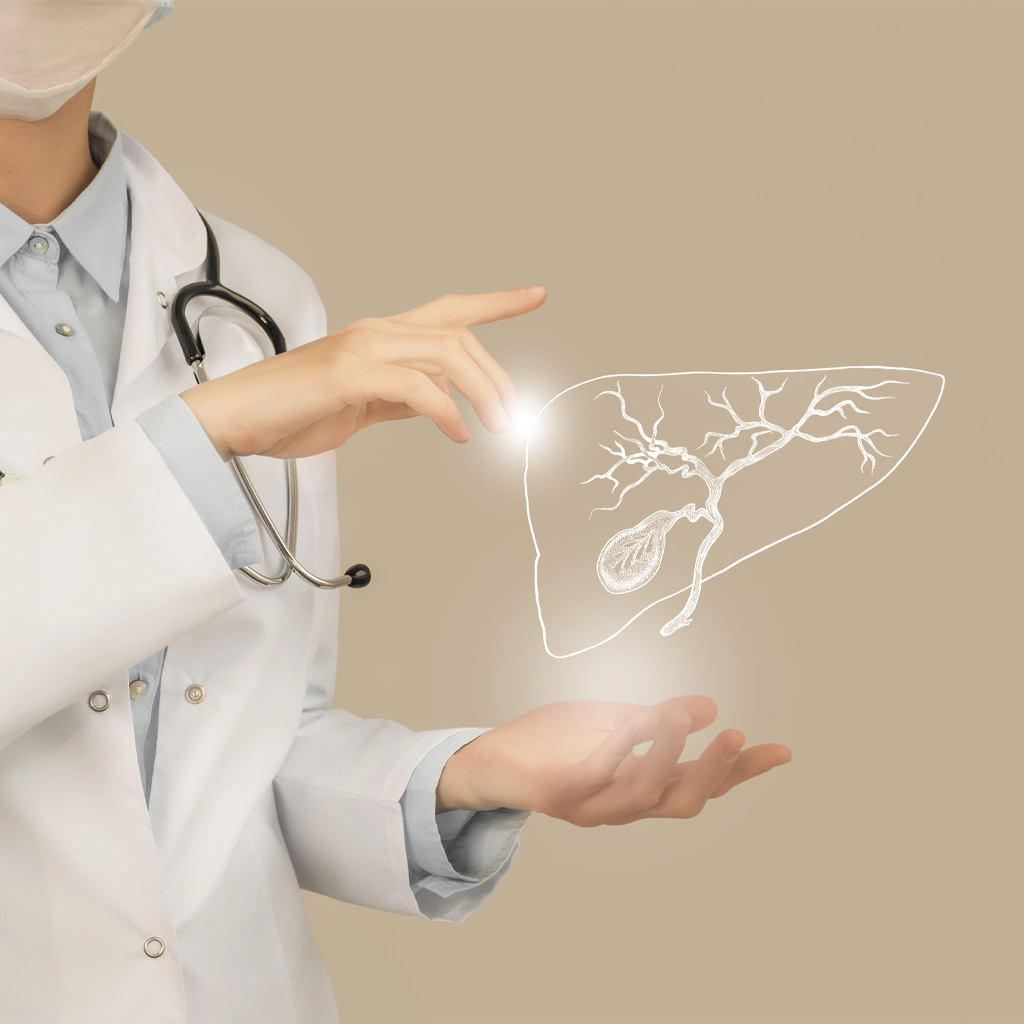
Diagnosis & Staging
Liver tumors are usually diagnosed using radiological imaging tests like MRIs and CT scans with contrast. These tests are over 90% accurate among patients with cirrhosis and nodules larger than 1cm. Tissue biopsy can also be used for early detection, especially when imaging is inconclusive.
Primary liver cancer can be diagnosed as one of five stages:3
- Stage 0 (very early): Liver function remains normal and there is only one cancerous nodule present.
- Stage A (early): Liver function remains normal and up to three nodules are found, which may be slightly larger than Stage 0 cancers.
- Stage B (intermediate): Liver is functioning normally but shows more than three nodules, or at least two larger nodules.
- Stage C (advanced): Liver is still functioning, but cancer has spread to hepatic blood vessels or other areas of the body.
- Stage D (end-stage/terminal): Liver does not function properly and transplantation is not an option.
When caught very early or early, the 5-year liver cancer survival rate is about 70%. Prognosis declines sharply in later stages. Advanced liver cancer has a median survival rate of 11 months after chemotherapy, while terminal patients receiving palliative care typically pass away in 3-4 months.
Liver Cancer Treatment Options
The location, size, and number of HCC tumors present have a direct impact on treatment options for cancer patients.
- Surgery: Patients with Stage 0 and A may receive a partial hepatectomy (removal of part of the liver) or a liver transplant. Transplant qualification depends on the disease stage but some health institutions also have eligibility criteria based on risk factors like drinking and smoking.
- Ablation: Ablation is a minimally invasive treatment option that applies extreme heat or cold to tumors to kill cancerous cells.
- Embolization: Cancer embolization procedures work to shrink tumors by delivering radiation or chemotherapy medication directly to the tumors, or by cutting them off from oxygenated blood.
- Chemotherapy: Systemic treatments for liver cancer include Sorafenib, Lenvatinib, Regorafenib, Cabozantinib, and Ramucirumab. Their use depends on disease presentation and patient tolerance.
- Supportive Care: Also called palliative care, these are treatments that focus on managing cancer symptoms and maintaining patient comfort in terminal diagnoses.