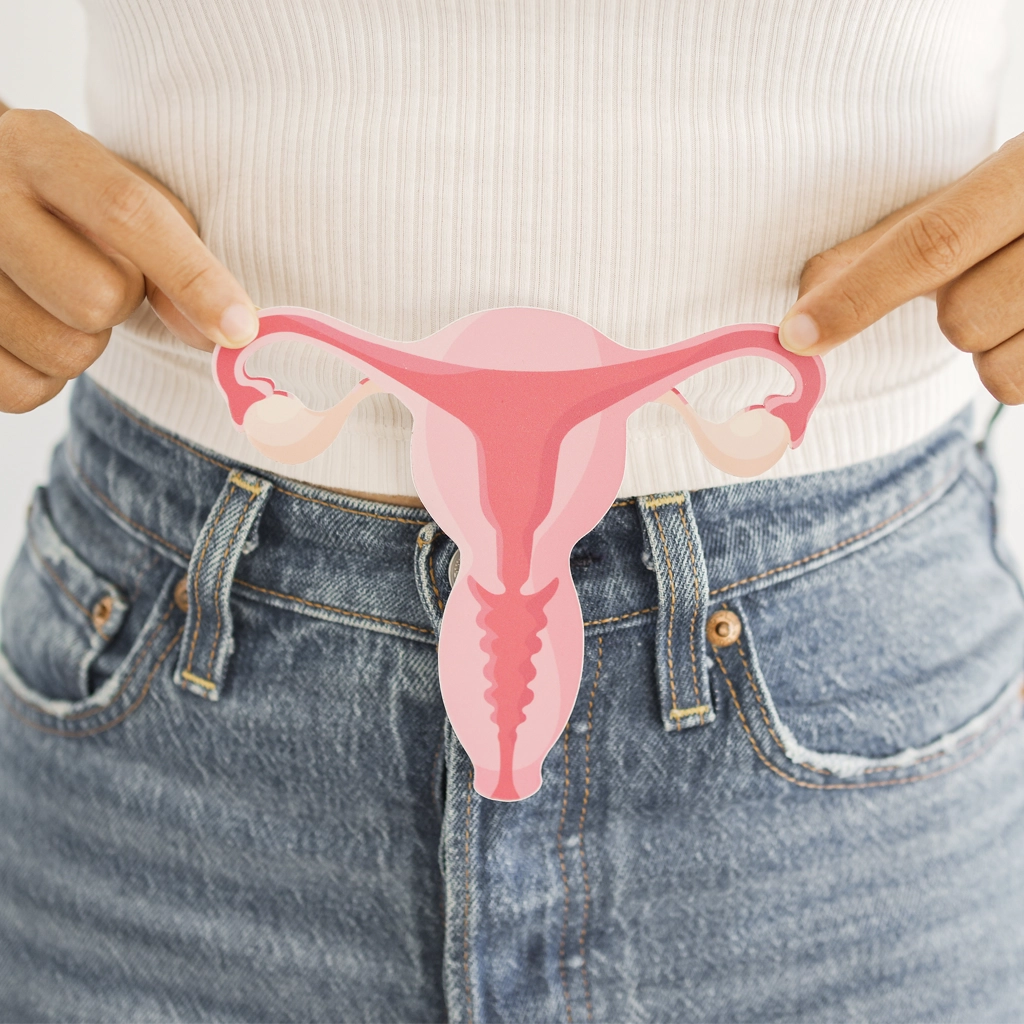
Uterine Fibroids and Cancer
In almost all cases, fibroid tumors are benign growths that do not develop into cancer. Cancer resulting from a fibroid growth is known as a leiomyosarcoma and occurs in less than 1% of all fibroid cases.7
However, some uterine fibroid symptoms are similar to the symptoms of uterine-related cancers like endometrial cancer. Benign fibroid symptoms include heavy bleeding, pressure, and pelvic pain, while uterine cancer would have symptoms of increasing pain due to the rapid growth of fibroids, severe anemia from extensive blood loss, and post-menopausal bleeding. If you are experiencing these symptoms, you should see a physician for diagnostic testing to determine the cause.
Uterine Fibroids and Fertility
The relationship between uterine fibroids and fertility depends largely on the size and location of the fibroids. Fibroids that bulge into or distort the center of the uterus (the uterine cavity) are more likely to interfere with conception or pregnancy.
Encouragingly, research has shown that uterine fibroid embolization (UFE) may improve fertility outcomes in some women who were previously unable to conceive due to fibroids, with successful pregnancies and live births reported after treatment.⁸ If preserving fertility is important to you, discussing all treatment options with both your OB-GYN and an interventional radiologist can help determine the best approach for your goals.