What Is UFE and How Does It Compare With Hysterectomy?
Written by Pavan Khurana, MD
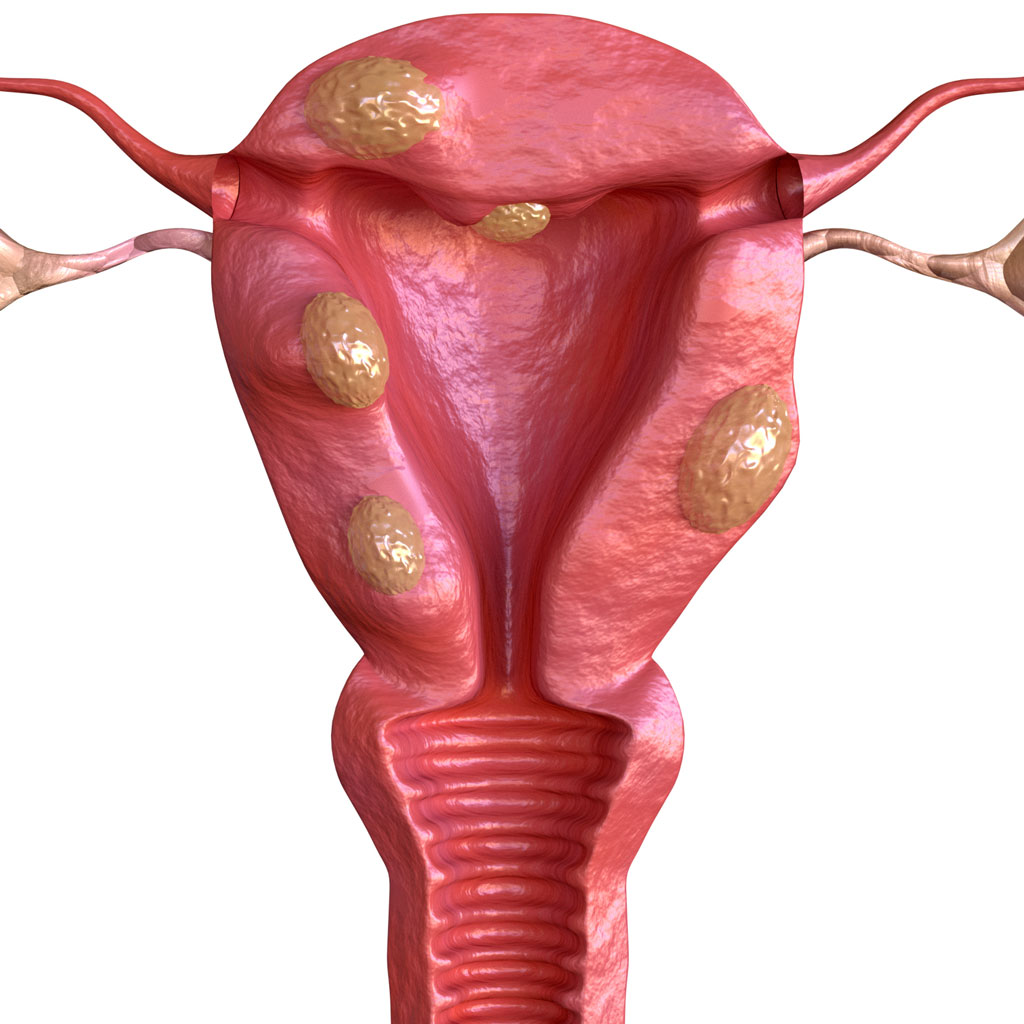
Uterine fibroids are extremely common benign (non-cancerous) tumors of the uterus. For some women they cause few problems, while others experience heavy menstrual bleeding, pelvic pressure, pain, urinary frequency, abdominal enlargement, or anemia.
Surgery to remove the uterus (hysterectomy) has traditionally been one of the definitive treatments for symptomatic fibroids. But it isn’t the only option.
Uterine Fibroid Embolization (UFE), also called Uterine Artery Embolization (UAE), offers an alternative that does not require surgical removal of the uterus.
What is UFE and how does it work?
UFE is performed by an interventional radiologist.
A small catheter is introduced into an artery, typically through the wrist or groin. Using X-ray guidance, the physician reaches the arteries supplying the fibroids.
Tiny particles are then delivered to reduce blood flow to the fibroids.
The fibroids subsequently shrink, and symptoms such as heavy bleeding and bulk-related pressure often improve.
UFE vs. hysterectomy
The biggest difference is straightforward: hysterectomy removes the uterus; UFE does not.
UFE is minimally invasive and generally involves:
- No large surgical incision
- Preservation of the uterus
- A shorter recovery than hysterectomy
- Treatment of all fibroids during the same procedure
Hysterectomy, however, is definitive: because the uterus is removed in its entirety.
What about recovery?
Many UFE patients return to normal activities considerably sooner than after major surgery, typically within 3-5 days. Pelvic cramping, fatigue, and other symptoms are common during the initial few days of recovery.
Recovery from hysterectomy varies according to whether surgery is abdominal, laparoscopic, robotic, or vaginal. Recovery time is typically 4-6 weeks.
Which treatment is better?
There isn’t one answer for every woman.
The number, size, and location of fibroids; severity of symptoms; other gynecologic conditions; age; medical history; and future pregnancy plans can all influence the decision.
Women with symptomatic fibroids may benefit from discussing both surgical and minimally invasive options before deciding on treatment.
For appropriately selected patients who want to avoid hysterectomy and preserve their uterus, UFE can be an important option to consider.
UR Vascular offers evaluation and minimally invasive embolization treatment for patients with Uterine fibroids. Schedule a consultation to review your imaging and discuss whether treatment is appropriate for you.