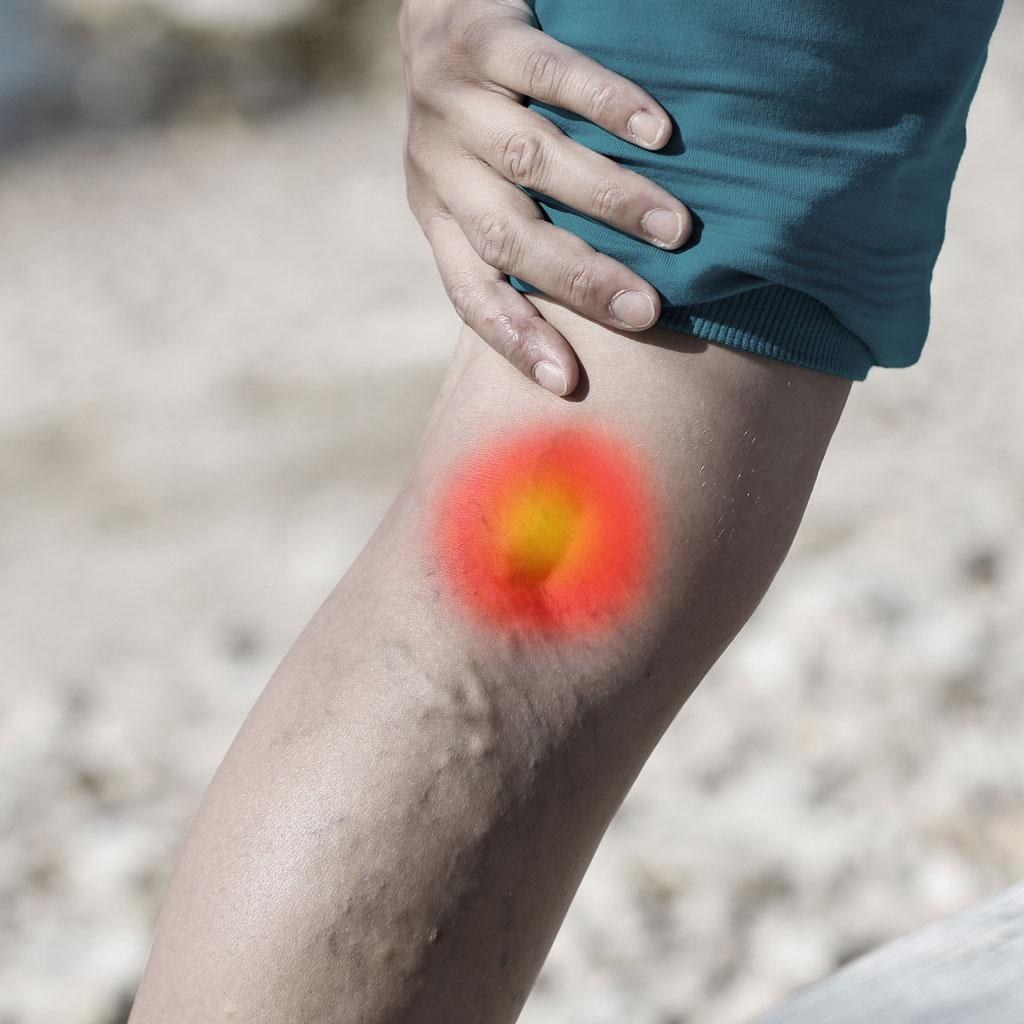
When Should You See a Doctor About Varicose Veins?
Written by Pavan Khurana, MD
Varicose veins are common, and some people live with them for years without significant symptoms. But visible veins aren’t always just a cosmetic issue and can give signals that you should see a doctor about varicose veins.
They can be a sign of abnormal circulation in the veins of the legs, known as venous insufficiency.
Signs it’s time to see a doctor about varicose veins
Consider seeing a vein specialist if you experience:
- Aching or painful legs
- Leg heaviness or fatigue
- Swelling around the ankles or lower legs
- Burning, itching, or throbbing
- Nighttime leg cramps
- Bulging or increasingly prominent veins
- Symptoms that worsen after standing for long periods
- Skin discoloration around the ankles
- Recurrent inflammation around a vein
- A wound near the ankle that is slow to heal
A vein that suddenly becomes painful, hard, red, or swollen deserves medical attention. Sudden significant swelling of one leg can also require prompt evaluation to exclude a blood clot.
What happens during a vein evaluation?
Your physician will review your symptoms and examine your legs.
When venous insufficiency is suspected, a duplex ultrasound can evaluate blood flow and determine whether valves within the veins are functioning normally.
Do all varicose veins require surgery?
No.
Modern vein treatment is often performed in the office without traditional vein-stripping surgery.
Depending on the problem, treatment may include:
- Compression therapy
- Sclerotherapy
- Endovenous laser or radiofrequency ablation
- Medical adhesive treatment
- Microphlebectomy
Most procedures are minimally invasive and allow patients to walk shortly afterward.
If your veins are causing pain, swelling, heaviness, skin changes, or interfering with your activities, you don’t necessarily have to simply live with them. An evaluation can determine whether there is an underlying circulation problem and whether treatment may help.
UR Vascular offers evaluation and minimally invasive embolization treatment for patients with varicose veins. Schedule a consultation to review your imaging and discuss whether treatment is appropriate for you.