Varicose Veins vs. Spider Veins: What’s the Difference?
Written by Pavan Khurana, MD
Varicose veins and spider veins are often discussed together, but they aren’t exactly the same problem.
Understanding the difference between varicose veins vs. spider veins can help determine whether treatment is primarily cosmetic or whether there may be an underlying vein condition.
What are spider veins?
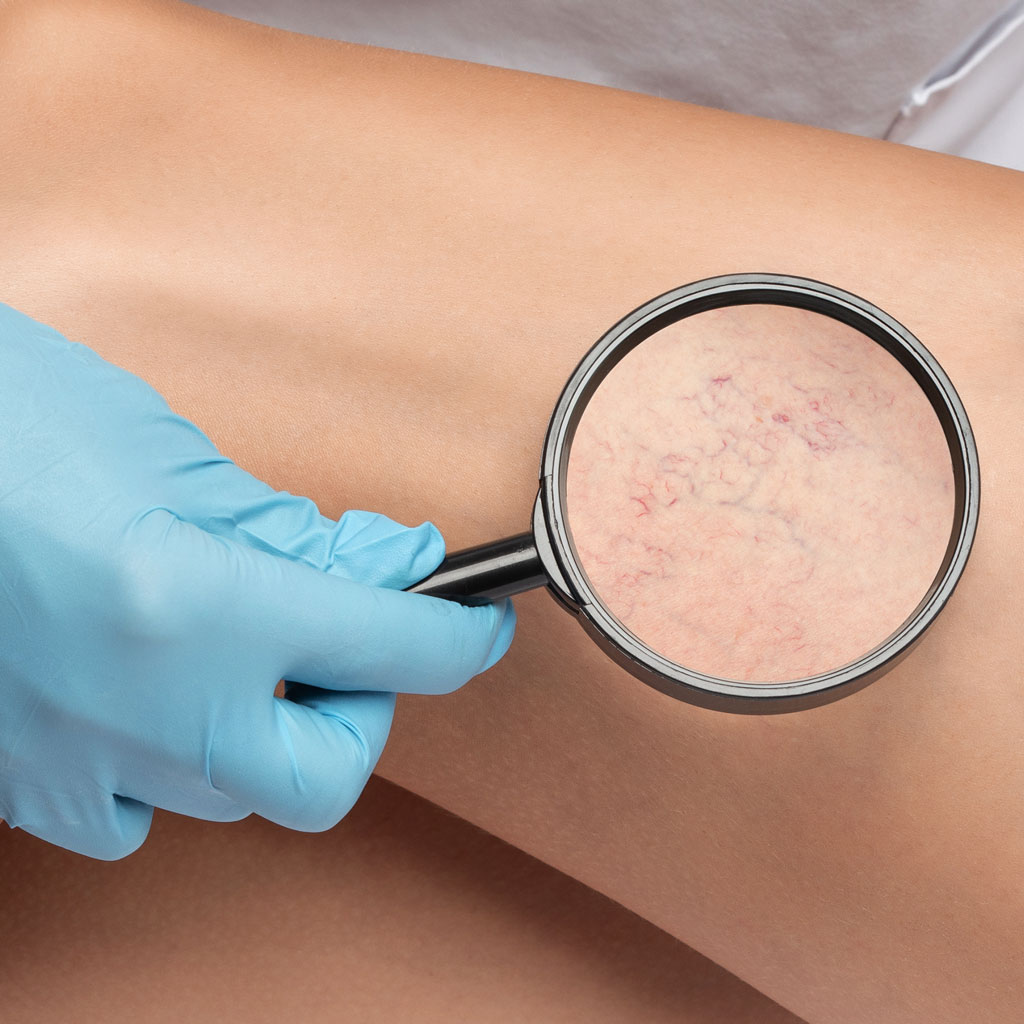
Spider veins are small red, blue, or purple blood vessels visible just beneath the skin.
They often form thin lines, branches, or web-like patterns.
They commonly appear on the legs and are usually small and flat.
For many people, spider veins are primarily a cosmetic concern. Sclerotherapy is one of the most commonly used treatments.
What are varicose veins?
Varicose veins are larger veins that become enlarged, twisted, or bulging.
They develop when valves inside the veins don’t function properly. Instead of efficiently moving blood back toward the heart, blood can pool in the legs, increasing pressure within the veins.
Varicose veins may cause:
- Aching or throbbing
- Leg heaviness
- Swelling
- Burning or itching
- Nighttime cramping
- Tender veins
- Symptoms that worsen after prolonged standing
More advanced venous disease can lead to skin discoloration, inflammation, or venous ulcers.
Why does the distinction matter when it comes to varicose veins vs. spider veins?
Visible veins may only be the surface manifestation of a deeper problem called venous insufficiency.
A vein specialist can evaluate symptoms and, when appropriate, perform a duplex ultrasound to determine whether abnormal blood flow is present in the larger veins beneath the skin.
Treatment can then be directed at the underlying problem rather than simply treating what is visible.
Depending on the findings, treatment may include sclerotherapy, vein ablation, phlebectomy, or a combination of techniques.
The right treatment starts with understanding which type of vein problem you actually have.
UR Vascular offers evaluation and minimally invasive embolization treatment for patients with venous disease. Schedule a consultation to review your imaging and discuss whether treatment is appropriate for you.