Managing Pain After Fibroid Embolization: The Role of the Superior Hypogastric Nerve Block
Written by Ilya Livshits, MD
One of the most common questions we hear from patients considering uterine artery embolization (also known as uterine fibroid embolization or UFE) is simple: will it hurt? It’s a fair question. Like any procedure that treats fibroids by cutting off their blood supply, UAE causes a period of cramping as the fibroid tissue responds to the loss of blood flow. For years, that discomfort was managed with narcotics, IV medications, and sometimes an overnight hospital stay. Today, many interventional radiology practices, including ours, are using a technique called a superior hypogastric nerve block to make that recovery period significantly more comfortable.
Why Does UAE Cause Pain in the First Place?
When we block blood flow to a fibroid during embolization, the tissue becomes ischemic, meaning it’s deprived of oxygen. That process, sometimes called post-embolization syndrome, typically causes cramping, pelvic pain, and pressure in the hours immediately following the procedure. It’s a normal and expected part of how UAE works, but it can be intense for the first several hours, particularly as the anesthesia from the procedure wears off.
What Is a Superior Hypogastric Nerve Block?
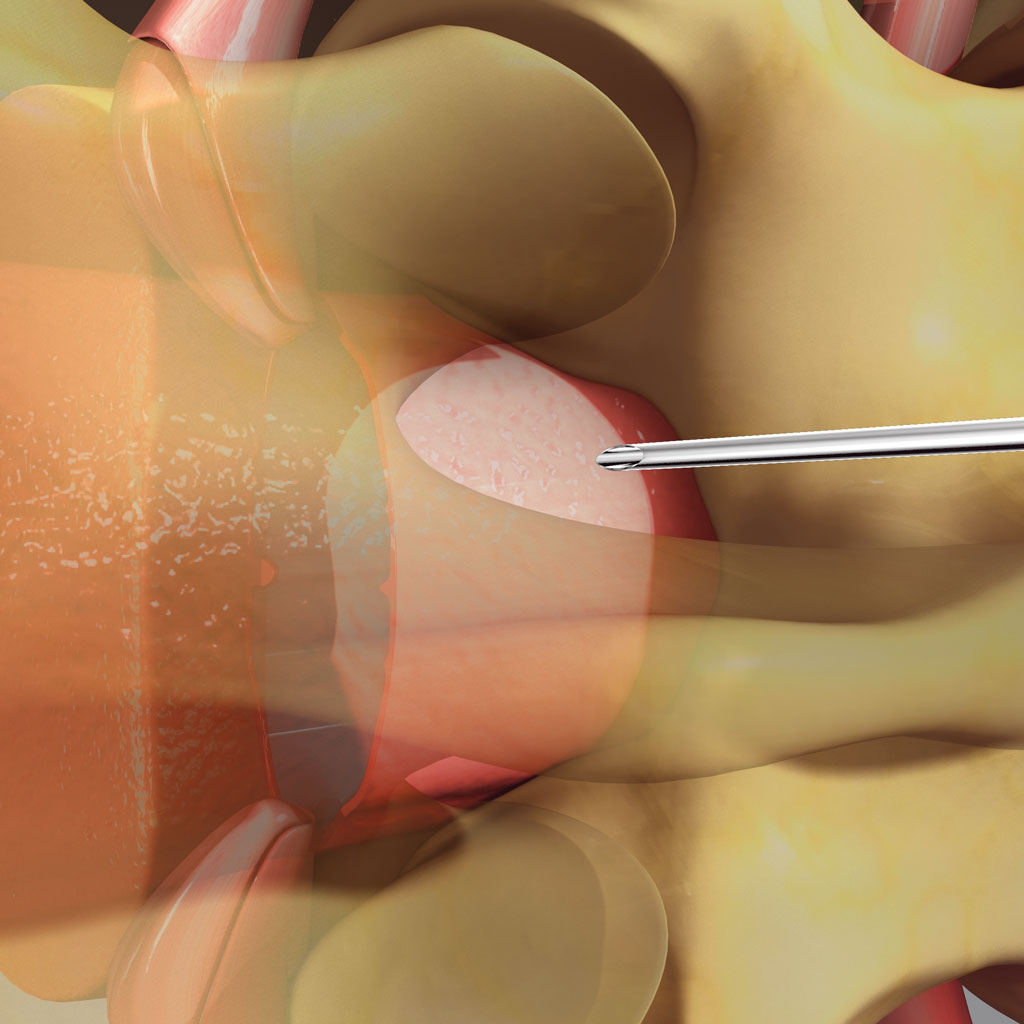
The superior hypogastric plexus is a bundle of nerves located in front of the lower spine that carries pain signals from the uterus, cervix, and surrounding pelvic structures. A superior hypogastric nerve block involves injecting a local anesthetic directly around this nerve bundle, using imaging guidance for precise placement. By numbing the nerves that transmit pain from the uterus, the block interrupts those pain signals before they ever reach the brain.
It’s performed at the same time as the embolization, before the fibroid arteries are treated, adding only a few minutes to the overall procedure. We also add a long acting steroid to the injection, which extends the numbing effect for up to 24 hours, covering patients through the window when post-embolization pain is typically at its worst.
The Benefits for Patients
The biggest benefit patients notice is a dramatic reduction in pain during the first several hours after the procedure, which is typically when discomfort peaks. Because the nerve block interrupts pain signals at the source rather than simply dulling the perception of pain the way systemic narcotics do, many patients report feeling more clear headed and less nauseated during recovery.
That improved comfort translates directly into practical advantages. Patients who receive a superior hypogastric nerve block often require significantly less narcotic medication in the hours following UAE, which reduces the risk of side effects like nausea, vomiting, and grogginess. Lower narcotic requirements also mean many patients can be discharged home the same day rather than requiring extended monitoring or an overnight stay, and they tend to feel more like themselves once they’re back home. For a procedure that’s already less invasive than surgery, better pain control means the entire experience feels lighter, faster, and easier to move through.
Is It Safe?
Superior hypogastric nerve blocks have an excellent safety profile. The injection is performed under imaging guidance, which allows for precise needle placement and minimizes risk to surrounding structures. Complications are rare, and the anesthetic and steroid combination wears off naturally over about 24 hours, well after the peak pain window has passed.
What This Means for Your UAE Experience
In our practice, a superior hypogastric nerve block is a routine part of how we perform UAE, because we believe effective fibroid treatment shouldn’t come with unnecessary suffering. Combining a minimally invasive, outpatient procedure with modern pain control techniques means most of our patients go home the same day, spend far less time relying on narcotics, and return to their normal lives faster than they expected.
Fibroid treatment has come a long way. Between the procedure itself and the tools we now have to manage pain, there’s never been a more comfortable time to explore your options.