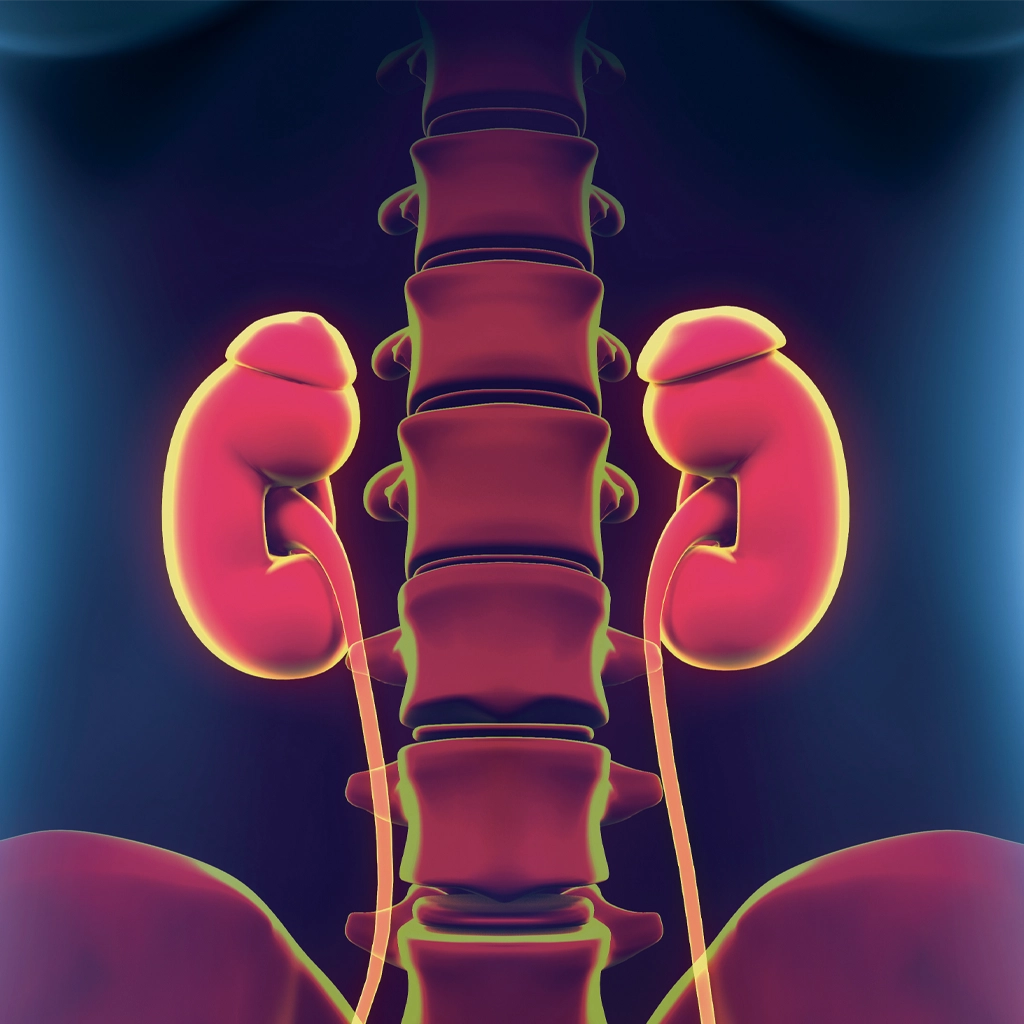
Renal Angiomyolipoma (AML) Embolization Treatment in New Jersey

Patients with renal AML have an effective alternative to surgery: Renal AML Embolization. It’s minimally invasive, safer than surgery and relieves the symptoms of renal AML such as abdominal pain, back and side pain, blood in the urine (hematuria) and more.

Jump to:
How it Works | What to Expect | Who is a Candidate? | Benefits

Renal Angiomyolipoma (AML) Embolization

How Renal AML Embolization Works

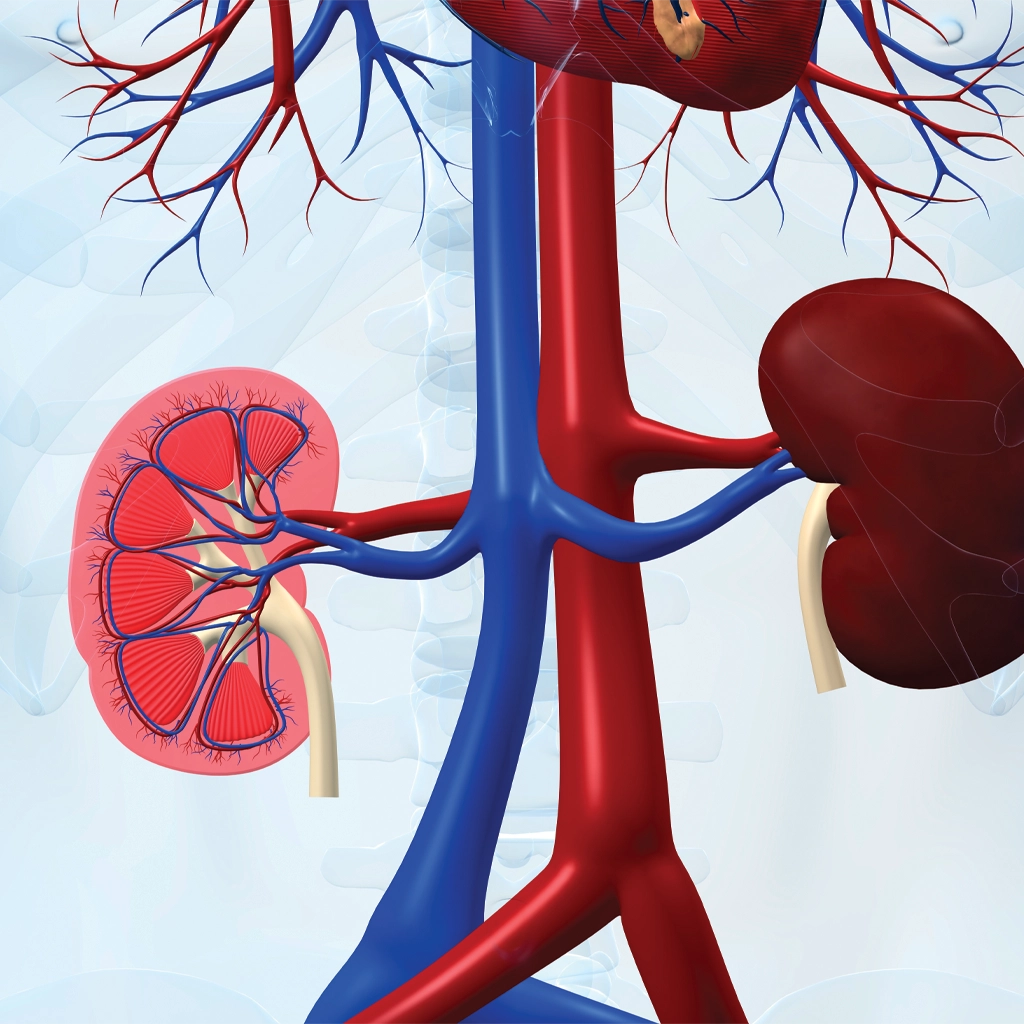
Renal AML Embolization is performed on an outpatient basis under mild to moderate sedation. A specially trained doctor known as an interventional radiologist inserts a catheter into a blood vessel and guides it with x-ray imaging through the renal artery to the artery branches that are feeding the angiomyolipoma.

Once in place, the arteries are then embolized with tiny embolic materials that block blood flow to the tumor. Without a blood supply, the risk of spontaneous internal bleeding is diminished, the tumor gradually shrinks over time and symptoms are alleviated.

What To Expect

Before your renal AML embolization procedure, you will receive specific instructions from the staff at our NJ interventional radiology clinic. You may be required to pause using certain medications or supplements for a period of time before your treatment. You will also be instructed when to stop eating and drinking prior to your procedure.

The procedure itself will take between 1-3 hours. Afterward, you will remain at our center for a period of time where you will be monitored by our clinical staff. After that, you will be able to go home.

After the treatment, you may experience temporary side effects such as fever, nausea and fatigue, bruising or bleeding at the catheter insertion site, and a temporary decline in kidney function. These effects are usually temporary and resolve on their own. We will follow up with you to answer any questions or provide additional care as needed.

Benefits of Renal AML Embolization

In addition to being minimally invasive, renal AML embolization preserves kidney function and reduces the risk of spontaneous internal bleeding—a serious and dangerous complication of AMLs. The procedure effectively reduces AML symptoms by blocking its blood supply, without requiring hospitalization, surgery, general anesthesia and a long, sometimes painful recovery.

Renal AML Embolization vs Surgery Benefits

Compared with surgery, AML embolization offers several advantages:

  • Preserves more healthy kidney tissue
  • Does not require a large incision
  • Shorter recovery time
  • Is performed as an outpatient procedure
  • Can be repeated if necessary
  • Effectively controls bleeding in most cases

Get relief from renal AML symptoms today!

Contact our NJ clinic to learn more about renal AML embolization.