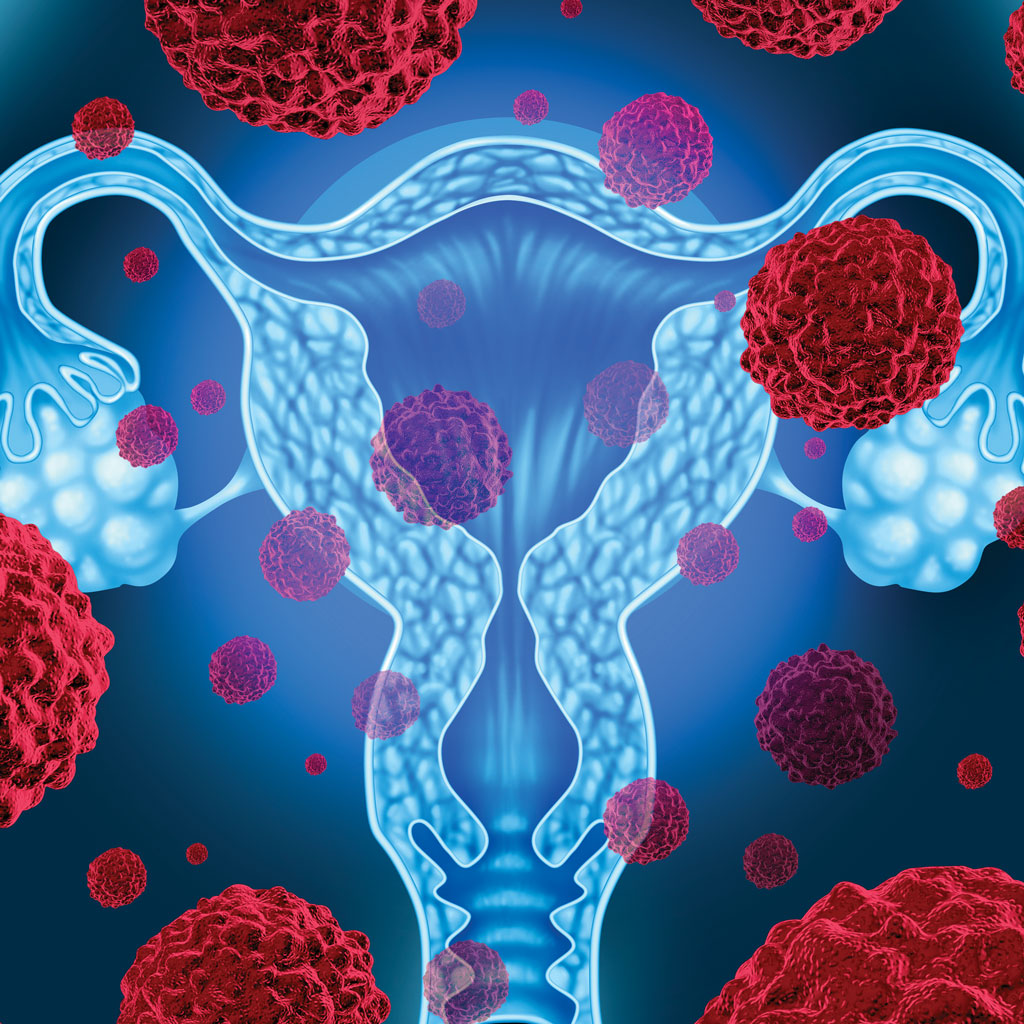
Which is better for fibroid treatment: Uterine Fibroid Embolization or Myomectomy?
Written by Ali Saifuddin, MD
Uterine fibroids are abnormal, noncancerous tumors that grow in or on the uterus, and are estimated to be present in up to 70% of women (80% in Black women)1 by the time they reach menopause, though not all fibroids cause symptoms.
Uterine fibroid embolization (UFE) and myomectomy are both uterus-preserving options, and both are effective at relieving fibroid symptoms like heavy periods, pelvic pain, and pressure2. But they work very differently, carry different risks, and suit different patients.
What is UFE and Myomectomy?
Here are the basics on what each procedure involves.
UFE (Uterine Fibroid Embolization) is a minimally invasive, non-surgical treatment that has been around since the early 1990s. During the procedure, an interventional radiologist threads a thin catheter through a small incision and guides it through your veins to the blood vessel(s) feeding the fibroids. Tiny, medical-grade beads are deposited into those vessels, cutting off the fibroids’ blood supply. Without that blood supply, the fibroids shrink gradually over time. The whole procedure typically takes one to two hours, requires no general anesthesia, and leaves no visible scar.
Myomectomy is a surgical procedure that involves physically removing the fibroids while still leaving the uterus intact. Depending on the size, number, and location of the fibroids, a myomectomy can be performed hysteroscopically (through the cervix), laparoscopically (through small abdominal incisions), robotically, or through an open abdominal incision. Recovery time and invasiveness vary significantly depending on your situation.
How does Uterine Fibroid Embolization or Myomectomy compare?
Uterine Fibroid Embolization or Myomectomy: Recovery time
This is where UFE had a clear advantage for most patients. Because no surgical incision is involved, recovery from UFE typically takes 1-2 weeks, with many patients returning to normal activities within 7-10 days³. Myomectomy recovery varies considerably depending on the approach: laparoscopic patients generally need 2–4 weeks, while open abdominal myomectomy can require 4–6 weeks or longer before patients feel fully recovered.
Post-UFE, you may experience cramping and mild nausea for a few days, which is a normal response and can be managed by OTC pain relievers and rest.
Fibroid recurrence and repeat treatment
Neither procedure guarantees fibroids will never return. New fibroids can develop regardless of which treatment you choose, but there is more nuance than that.
For myomectomy, studies show a 5-year cumulative recurrence rate of roughly 62%⁴, climbing to over 70% at 8 years for some laparoscopic approaches5. The number of fibroids removed matters significantly: research in Fertility and Sterility found that patients with multiple fibroids removed had a 48-month recurrence rate of 56%, compared to 41% in patients with a single fibroid removed⁵.
UFE treats all fibroids simultaneously, including ones too small to detect at the time of treatment, by targeting the blood supply rather than removing individual growths. Long-term data is comparable: research published in the National Library of Medicine found repeat treatment rates of roughly 23% for UFE versus 20.6% for myomectomy over seven years⁶, a modest difference that many patients weigh against UFE’s significantly less invasive nature.
Fertility and pregnancy outcomes
Fertility is often the deciding factor for patients in their reproductive years, and the answer is more nuanced than a straightforward black-and-white comparison.
Myomectomy has traditionally been the preferred option for women who want to conceive, particularly when fibroids distort the uterus. It’s worth noting that although myomectomy preserves the uterus, it carries fertility risks: open abdominal myomectomy significantly increases the likelihood that a patient will be advised to deliver by cesarean section in subsequent pregnancies.
UFE’s role in fertility has evolved considerably with newer research. Studies have shown that roughly 38% of women still conceived following UFE⁷, including women who had previously been unable to conceive due to fibroids. Some research also suggests some improved fertility with UFE.
Risks and complications
UFE’s risk is minimal because it uses no general anesthesia, no surgical incision, and doesn’t carry a risk of converting to hysterectomy. Serious complications are uncommon, making it a strong option for patients with health conditions that elevate surgical risk.
Myomectomy carries risks standard to any major surgery including infection, blood loss, anesthesia exposure, and potential adhesions. Laparoscopic approaches reduce but don’t eliminate these. All surgical approaches carry some conversion-to-hysterectomy risk if bleeding becomes uncontrolled; UFE does not.
Cost and insurance coverage
UFE is typically the more cost-effective option as it’s performed in an outpatient setting without hospital operating room fees, anesthesiology costs, or extended stays. Both procedures are generally covered by employer health plans, Medicare, and Medicaid, though coverage details vary. Confirm eligibility with your clinical team before scheduling.
Who is a better candidate for UFE?
UFE tends to be strongest for patients who have multiple fibroids, want to avoid surgery and anesthesia, have underlying health conditions that increase surgical risk, or need a faster return to daily life.
Who is a better candidate for Myomectomy?
Myomectomy is often preferred for patients with submucosal fibroids distorting the uterine cavity, hysteroscopic myomectomy has strong evidence here, or those with a single, clearly localized fibroid identified as a direct barrier to conception.
Which treatment is “better”?
For many women, especially those with multiple fibroids, busy schedules, or concerns about surgery, UFE offers an effective, uterus-preserving option with long-term symptom relief and a significantly easier recovery experience. If you’ve been told your only option is surgery, it may be worth speaking with one of our fibroid specialists to learn whether UFE could be right for you. You can reach our team at (908) 874-9236 to schedule an appointment.
Sources
- Eltoukhi, Modi, Weston, Armstrong, Stewart. The Health Disparities of Uterine Fibroids for African American Women: A Public Health Issue. Am J Obstet Gynecol. 2013 Aug 11;210(3):194–199. doi: 10.1016/j.ajog.2013.08.008
- Management of Symptomatic Uterine Leiomyomas: ACOG Practice Bulletin, Number 228. Obstetrics & Gynecology 137(6):e100–e115, June 2021. DOI: 10.1097/AOG.0000000000004401
- Gupta JK, Sinha A, Lumsden MA, Hickey M. Uterine artery embolization for symptomatic uterine fibroids. Cochrane Database of Systematic Reviews 2014, Issue 12. DOI: 10.1002/14651858.CD005073.pub4
- Asgari Z et al. Short-Term Risk of Fibroid Recurrence After Laparoscopic Myomectomy and Its Associated Risk Factors. Shiraz E-Med J. 2023;24(8):e132683. DOI: 10.5812/semj-132683
- Acien P, Quereda F. Predictors of fibroid tumor recurrence after myomectomy. Fertility and Sterility. 2004. DOI: 10.1016/j.fertnstert.2004.08.028
- Verpalen IM et al. Reintervention Rates After Myomectomy, Endometrial Ablation, and Uterine Artery Embolization for Patients with Uterine Fibroids. NCBI/NLM. PMC6205049