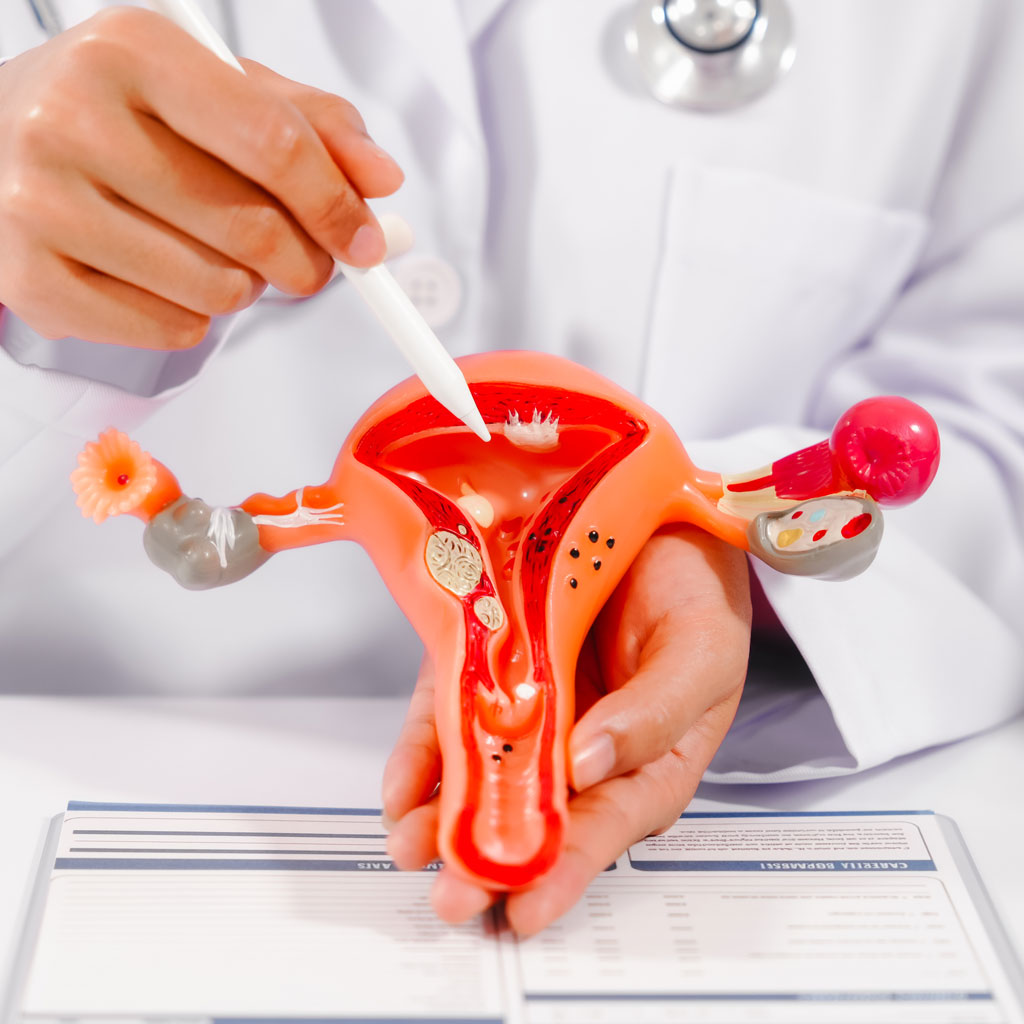
Uterine Fibroid Embolization vs. Hysterectomy: Which is better for fibroid treatment
Written by Ali Saifuddin, MD
Uterine fibroids affect up to 70–80% of women by age 50, and for some, symptoms like heavy bleeding, pelvic pressure, and fatigue can significantly impact daily life.1,2
If you’ve been diagnosed with fibroids, you may have been told that a hysterectomy is the most definitive treatment. While hysterectomy remains an important and appropriate option in certain cases, it is not the only effective approach.
Today, many women are choosing Uterine Fibroid Embolization (UFE)—a minimally invasive, uterus-sparing alternative that can provide meaningful symptom relief without major surgery.3
Let’s will look at the differences between uterine fibroid embolization vs. hysterectomy to help decide which is best for you.
What Is a Hysterectomy?
A hysterectomy is a surgical procedure that removes the uterus. It can be performed through an abdominal incision, laparoscopically, or vaginally.2
Because the uterus is removed, fibroids cannot return. However, it is considered major surgery and requires a longer recovery period.2
What Is Uterine Fibroid Embolization (UFE)?
UFE is a minimally invasive, image-guided procedure performed by an interventional radiologist. Instead of removing fibroids, it works by blocking the blood supply to fibroids, causing them to shrink over time.3
The uterus remains in place, and the procedure is typically performed on an outpatient basis.3
Uterine Fibroid Embolization vs. Hysterectomy: Key Differences
| Feature | UFE | Hysterectomy |
| Procedure Type | Minimally invasive | Major surgery |
| Uterus | Preserved | Removed |
| Recovery Time | 1–2 weeks² | 6–8 weeks² |
| Hospital Stay | Same-day or overnight³ | Several days² |
| Risk Profile | Lower complication risk⁴ | Higher surgical risk⁴ |
Effectiveness and Symptom Relief
Both UFE and hysterectomy are proven to relieve fibroid-related symptoms.
- Hysterectomy offers complete and permanent resolution of fibroids because the uterus is removed2
- UFE provides significant symptom relief in approximately 85–90% of patients, particularly for heavy bleeding and pressure symptoms5
For many patients, the decision comes down to whether uterus preservation and recovery time are priorities.
Recovery and Impact on Daily Life
One of the most noticeable differences between these treatments is recovery.
- Hysterectomy: Recovery can take 6–8 weeks, with restrictions on lifting, exercise, and work2
- UFE: Most patients return to normal activities within 1–2 weeks3
For women balancing work, family, and daily responsibilities, this shorter recovery time is often a key consideration.
Why Many Women Choose UFE
While hysterectomy is still appropriate in some cases, many women are choosing UFE for several important reasons:
1. Avoiding Major Surgery
UFE does not require large incisions or general surgery, which reduces overall procedural risk and recovery burden.4
2. Preserving the Uterus
For some women, keeping the uterus is important for personal, hormonal, or quality-of-life reasons. UFE allows for treatment without removing an organ.3
3. Faster Return to Normal Life
A shorter recovery means less disruption to work, childcare, and everyday activities.3
4. Proven, Evidence-Based Outcomes
UFE is supported by extensive clinical research demonstrating high patient satisfaction and durable symptom relief.5
When Is a Hysterectomy the Right Choice?
A hysterectomy may be recommended in certain situations, including:
- Very large or complex fibroids
- Suspicion of cancer or other serious conditions
- When other treatments have not been effective
In these cases, surgery may provide the most appropriate solution.2
Making the Right Decision for You
There is no one-size-fits-all answer when it comes to fibroid treatment.
The best approach depends on:
- Your symptoms and their severity
- Your overall health
- Your personal preferences and goals
Understanding the differences between UFE and hysterectomy can help you make a decision that aligns with both your medical needs and your lifestyle.
Explore Your Options with a Specialist
If you’ve been told that hysterectomy is your only option, it may be worth exploring whether a minimally invasive approach could be right for you.
At University Radiology Vascular & Interventional Center, patients are evaluated by experienced interventional radiology specialists who focus on image-guided, minimally invasive treatments like UFE.
Their team takes a personalized approach—helping you understand all available options so you can make a confident, informed decision.
Call (908) 874-9236 to schedule a consultation and learn more about your treatment options.
References
- Stewart, Elizabeth A., et al. “Uterine Fibroids.” The Lancet, vol. 357, no. 9252, 2001, pp. 293–298.
- American College of Obstetricians and Gynecologists. Uterine Fibroids. ACOG, 2021.
- Society of Interventional Radiology. Uterine Fibroid Embolization (UFE). 2023.
- Manyonda, Isaac, et al. “Uterine-Artery Embolization or Myomectomy for Uterine Fibroids.” New England Journal of Medicine, vol. 383, no. 5, 2020.
- Gupta, J. K., et al. “Uterine Artery Embolization for Symptomatic Uterine Fibroids.” Cochrane Database of Systematic Reviews, 2014.