Vertebral Compression Fractures: What They Are, Symptoms, and Treatment Options
Written by Ali Saifuddin, MD
Back pain is one of the most common reasons people seek medical care. While muscle strains and arthritis are frequent causes, some patients experience severe pain due to vertebral compression fractures—a condition that occurs when one of the bones in the spine collapses or breaks.
These fractures can significantly impact mobility, independence, and quality of life, particularly in older adults with osteoporosis. Fortunately, both conservative and minimally invasive treatment options are available.
Let’s take a closer look at what a vertebral compression fracture is, what causes it, and how it is managed.
What Is a Vertebral Compression Fracture?
The spine is made up of a series of bones called vertebrae that provide support and protect the spinal cord.
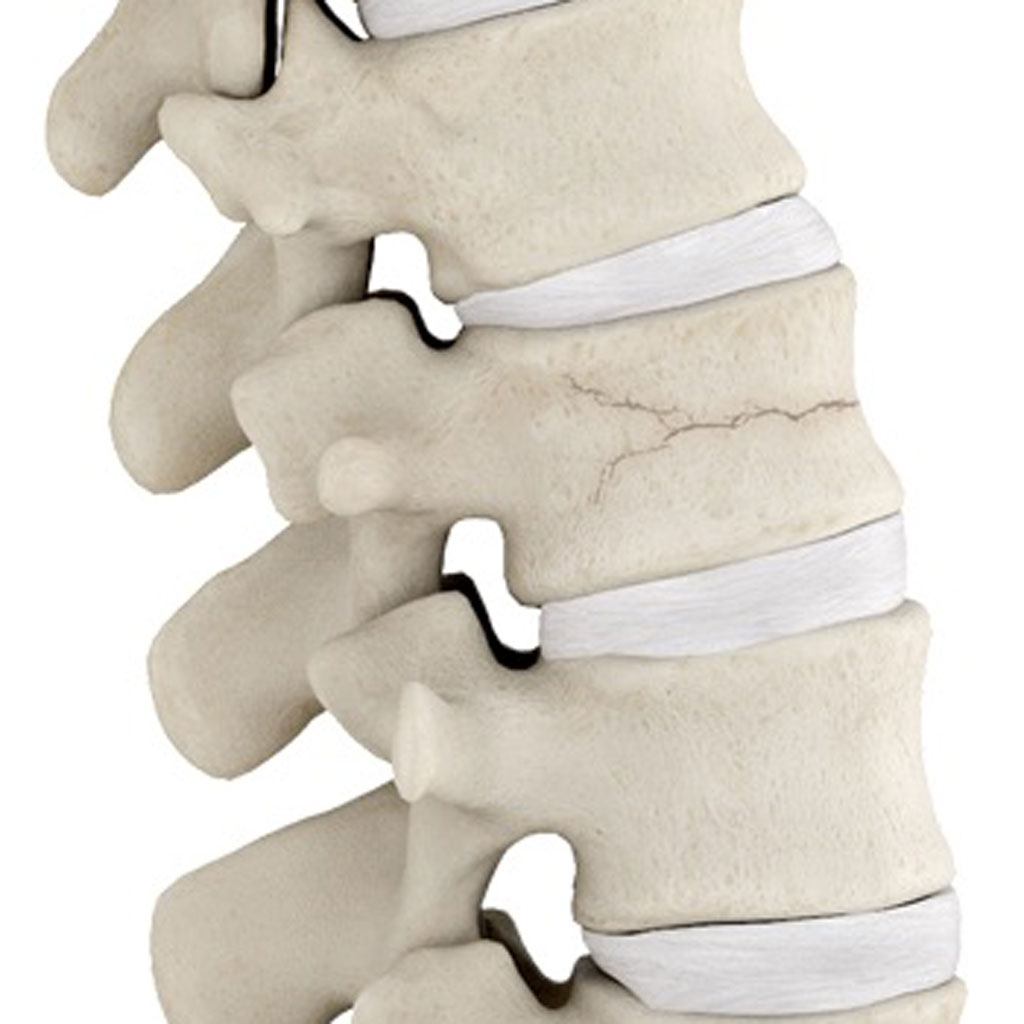
A vertebral compression fracture (VCF) occurs when one of these vertebrae weakens and collapses. This most commonly affects the middle and lower back and can lead to significant pain and changes in posture.
While some fractures occur after a fall or injury, many develop with little or no trauma, especially in patients with osteoporosis.
What Causes Vertebral Compression Fractures?
The most common cause of a vertebral compression fracture is osteoporosis, a condition that weakens bones and makes them more susceptible to breaking.
Other potential causes include:
- Osteoporosis-related bone loss
- Falls or traumatic injuries
- Cancer that has spread to the spine
- Multiple myeloma and other bone disorders
- Long-term steroid use
- Certain metabolic bone diseases
Because osteoporosis often develops gradually, many patients are unaware that their bones have weakened until a fracture occurs.
What Are the Symptoms of a Vertebral Compression Fracture?
Symptoms can vary depending on the severity and age of the fracture.
Common symptoms include:
- Sudden onset of back pain
- Pain that worsens with standing or walking
- Relief when lying down
- Reduced mobility and activity levels
- Loss of height over time
- Development of a stooped or hunched posture
Some patients experience severe pain immediately after a fracture, while others may have more subtle symptoms that worsen over weeks or months.
How Are Vertebral Compression Fractures Diagnosed?
Diagnosis typically begins with a physical examination and medical history.
Imaging studies are often necessary to confirm the diagnosis and determine whether the fracture is new or old.
Common imaging tests include:
- X-rays
- MRI
- CT scans
- Bone density testing for osteoporosis evaluation
An MRI is particularly useful because it can help identify whether a fracture is actively causing pain and may benefit from treatment.
How Are Vertebral Compression Fractures Managed?
Treatment depends on several factors, including the severity of symptoms, the age of the fracture, and the patient’s overall health.
Conservative Management
Many vertebral compression fractures improve with non-surgical treatment.
Conservative management may include:
- Pain medications
- Activity modification
- Physical therapy
- Bracing
- Osteoporosis treatment to reduce future fracture risk
For some patients, symptoms gradually improve over several weeks to months.
When Is Additional Treatment Needed?
Not all fractures heal comfortably with conservative management.
Patients may be candidates for further treatment if they experience:
- Persistent or severe back pain
- Difficulty walking or performing daily activities
- Pain that limits independence
- Failure to improve with conservative therapy
In these situations, a minimally invasive procedure called vertebral augmentation may be considered.
What Is Vertebral Augmentation?
Vertebral augmentation is a minimally invasive treatment designed to stabilize painful vertebral compression fractures.
During the procedure, imaging guidance is used to place a needle into the fractured vertebra. Medical bone cement is then injected into the bone to provide internal stabilization.
The two most common forms of vertebral augmentation are:
Vertebroplasty
In vertebroplasty, bone cement is injected directly into the fractured vertebra to stabilize the bone and reduce painful motion.
Kyphoplasty
In kyphoplasty, a small balloon is first inserted into the vertebra before cement placement. This may help restore some vertebral height and create space for the cement.
Both procedures are performed by specialists trained in image-guided spine interventions, including interventional radiologists.
What Are the Benefits of Vertebral Augmentation?
For appropriately selected patients, vertebral augmentation can offer several potential benefits:
- Rapid pain relief
- Improved mobility
- Faster return to daily activities
- Reduced dependence on pain medication
- Improved quality of life
Many patients report meaningful improvement shortly after treatment, although individual results vary.
Can Vertebral Compression Fractures Be Prevented?
Because osteoporosis is the leading cause of vertebral compression fractures, maintaining bone health is critical.
Strategies that may help reduce fracture risk include:
- Regular weight-bearing exercise
- Adequate calcium and vitamin D intake
- Osteoporosis screening when appropriate
- Smoking cessation
- Limiting excessive alcohol consumption
- Medical treatment for osteoporosis when indicated
Early diagnosis and treatment of osteoporosis can significantly reduce the risk of future fractures.
The Bottom Line
A vertebral compression fracture is a common cause of back pain, particularly in older adults with osteoporosis.
While many fractures improve with conservative treatment, some patients continue to experience significant pain and limitations. In these cases, vertebral augmentation, including vertebroplasty or kyphoplasty, may provide meaningful relief through a minimally invasive approach.
Early evaluation is important because prompt diagnosis and treatment can help patients regain mobility, reduce pain, and maintain their quality of life.
Learn More About Vertebral Compression Fracture Treatment
If you are experiencing persistent back pain or have been diagnosed with a vertebral compression fracture, the specialists at University Radiology Vascular & Interventional Center can help determine whether conservative management or a minimally invasive treatment option is right for you.
Our team provides personalized evaluations and advanced image-guided treatments designed to help patients return to their daily activities as quickly and safely as possible.
Call (908) 874-9236 to schedule a consultation and learn more about your treatment options.